Blog
Garage Doors on Bryan's 1970s-Era Housing Stock
Bryan homes mostly went up between 1970 and 1976. We cover the spring wear, opener age, and heat-cycle stress that comes with that era of construction.
What Local Conditions Do
Most houses in the Bryan service area went up between 1970 and 2001, with the median build year sitting at 1976. That matters more than people think. A door and opener installed when a house was framed is now pushing fifty years old in a lot of cases, and the torsion springs on those original setups were never built to last forever.
Across the three named pockets we work in most - Southwood Valley, Cedar Ridge, and Pebble Creek - the stock is mostly 1960s and 70s construction, which means a lot of these houses share the same hardware generation. When one spring on a street starts going, it's rarely the only one close to failing.
The heat band here runs moderate, not extreme, but it's still enough to put steady expansion-and-contraction stress on steel springs and cable year after year. That slow cycling is what finally snaps a spring that's been sagging for a decade - not one hot week, but forty years of them.
The Problem
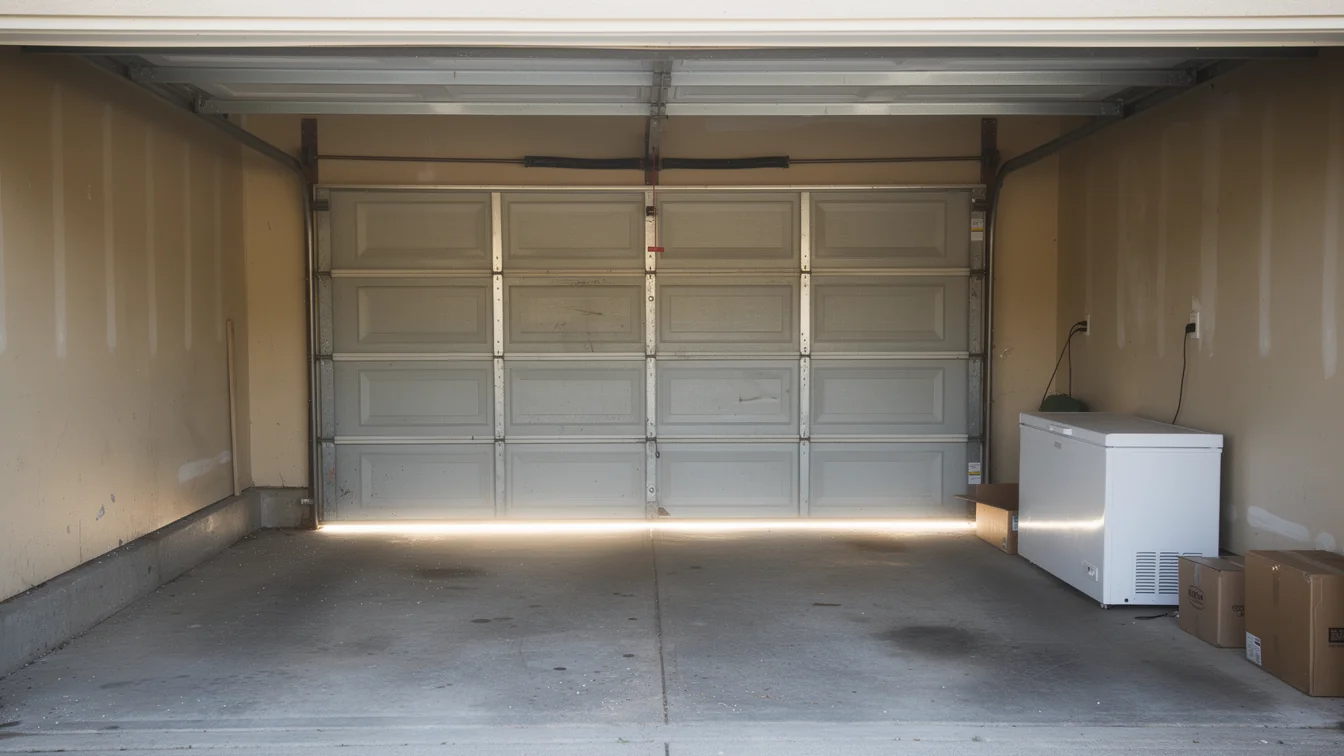
A torsion spring installed in a house built in 1976 was never spec'd to run past twenty or twenty-five years, let alone fifty. By the time a homeowner calls us, the spring isn't just worn - it's often already stretched past its wind count, and the opener bolted to the same original track is working twice as hard to make up for it.
We see this most in the older pockets of town, where original one-piece doors or early sectional doors are still hung on hardware nobody updated since the house was new. The door still opens. It just does it slower, louder, and closer to snapping than the owner realizes.
This isn't a defect in the house. It's just math - steel fatigues, and a fifty-year-old spring on a door that's been cycled twice a day for decades is overdue, not broken by bad luck.
What Most People Get Wrong
The most common mistake we run into is treating a slow, noisy door as a lubrication problem. Spraying the track buys a few quieter weeks, not more life out of a spring that's already near its failure point.
The second mistake is assuming a neighbor's newer-looking door means the house is in better shape. In Southwood Valley, Cedar Ridge, and Pebble Creek especially, a lot of the stock is the same 1960s-70s vintage even where the siding or paint looks updated. The spring and opener don't care what the outside looks like.
The third is waiting for a full failure before calling anyone. A spring that snaps under tension can bend a track or crack a panel on the way down, which turns a $200 spring job into a bigger one. We'd rather look at a door that's slow and noisy than one that's already on the garage floor.
The Cost of This Job
We don't have a flat number to quote here, and we're not going to invent one. What we can say is that in a service area with 814 owner-occupied houses among 1,979 households and a median income of $64,063, most of the work we see isn't full replacement - it's a spring swap, a cable, or an opener that's finally quit after running on original 1970s-era hardware for decades.
Replacement makes sense when the door itself - the panels, the track - is bent or rusted past square, which happens more on the original one-piece doors from the earlier end of that 1970-2001 build window. Repair makes sense everywhere else. The honest limitation: if a part on an older door is obsolete and nobody stocks it anymore, that pushes a job toward replacement even when the homeowner would rather just fix what's there.
Questions
Common questions
Why do so many Bryan garage doors fail around the same age?
Most houses in the service area were built between 1970 and 2001, median year 1976. The torsion springs and openers installed then are now decades past their rated life, so a lot of doors in the same age bracket start failing in the same stretch of years - it's hardware fatigue, not coincidence.
Does Bryan's climate wear out garage door springs faster?
The climate here is a moderate heat band, not extreme, but steady warm-weather cycling still stresses steel springs over decades. It's less about one hot summer and more about fifty years of expansion and contraction on hardware that was never designed to last that long.
Is my door's age the same as my house's age?
Often yes, especially in the older sections of town where original one-piece doors and early sectional doors are still in place. If your house falls in that 1970-2001 build window and the door's never been replaced, assume the spring and opener are original too.
Should I repair or replace an old door?
If the panels and track are still square, repair almost always makes sense - a new spring or opener on sound hardware. Replacement makes more sense when the door itself is bent, rusted, or using parts that are no longer stocked, which shows up more on the oldest doors in the 1970s-built stretch of the service area.
Recommendation
You Might Also Like
More garage door guides for Bryan homeowners.
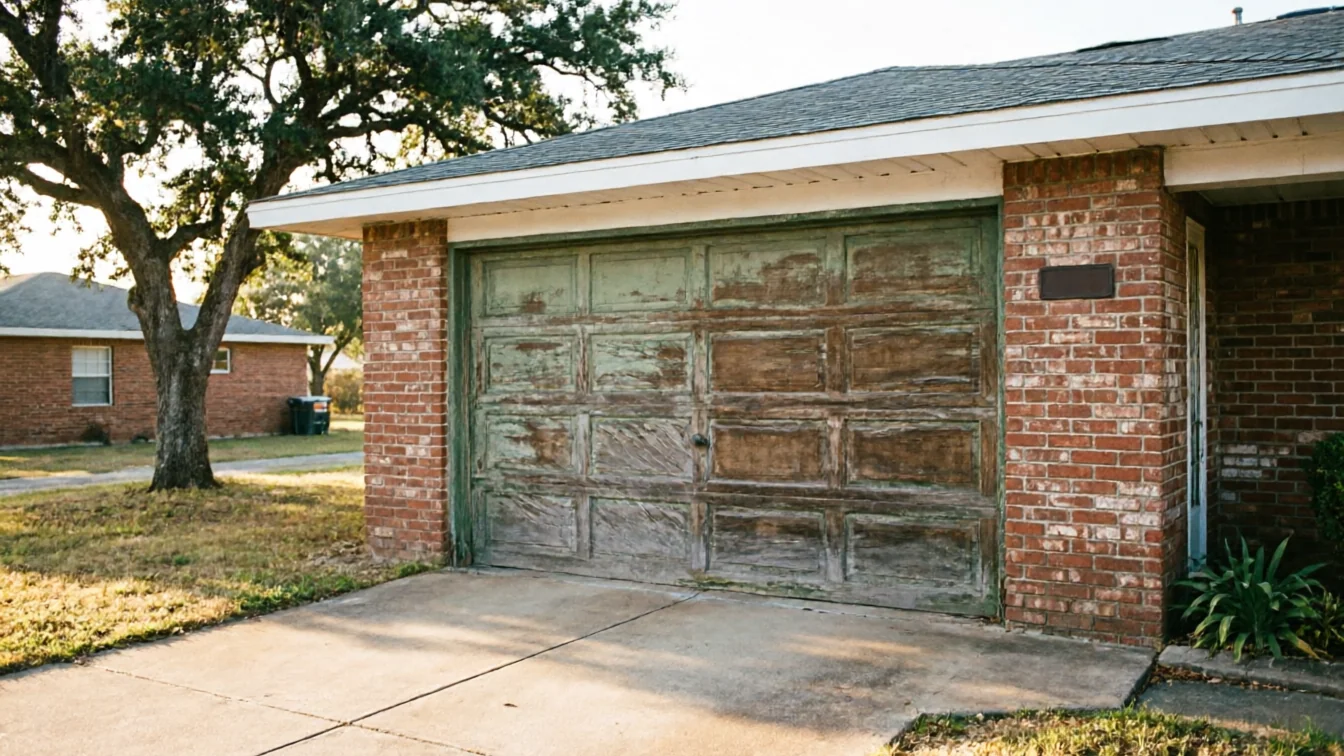
Is Your Bryan Garage Door Worth Fixing, or Done For Good
Bryan homes mostly date 1970-2001.
Read guide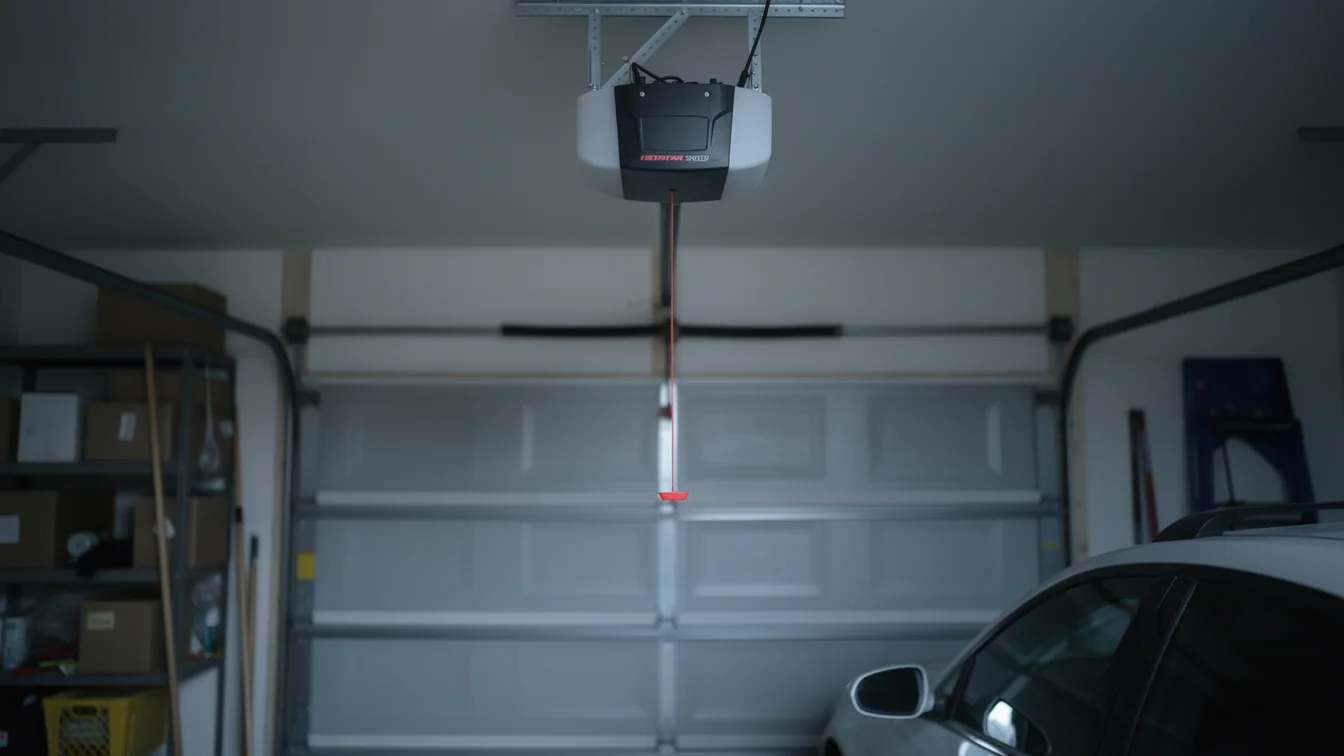
Openers and Power Cuts in Bryan Homes
Bryan homes built mostly 1970-2001 run original openers into summer heat and power cuts.
Read guide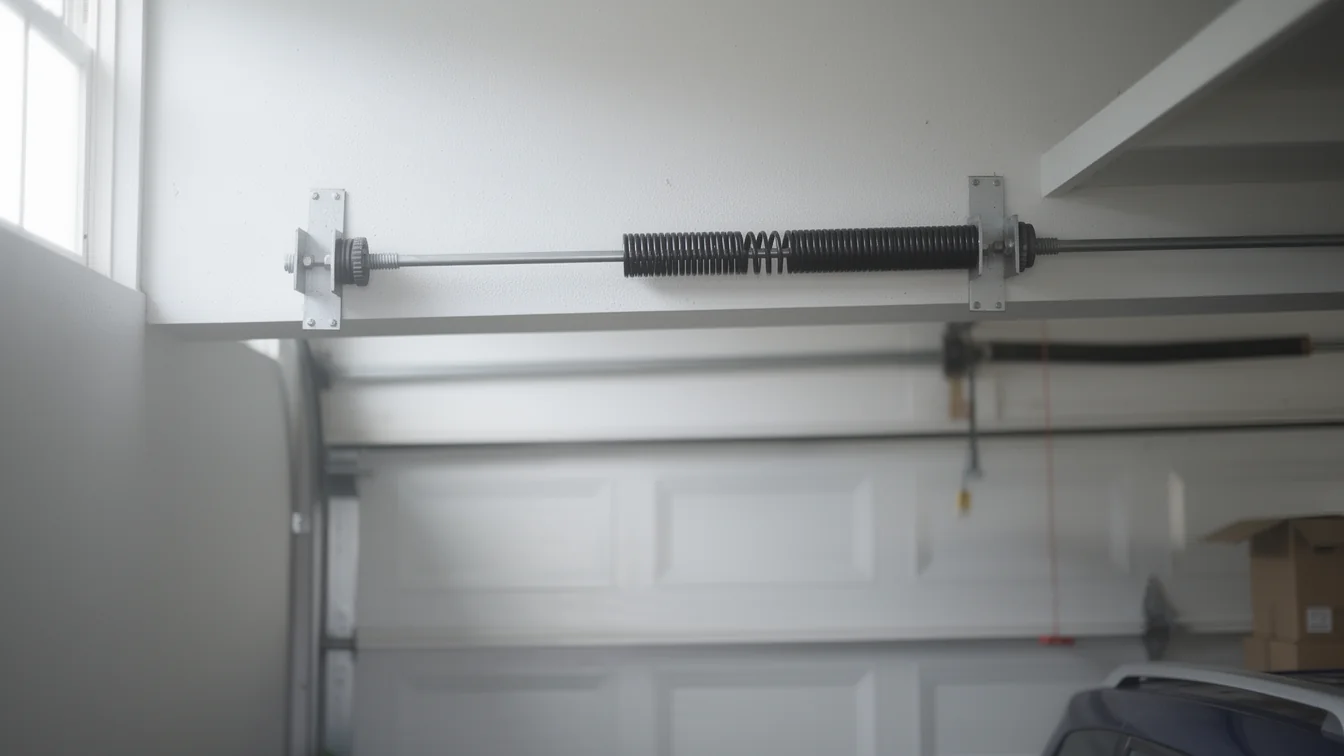
When a Spring Goes in Cold Weather Here
Why a cold front after a mild Bryan stretch snaps torsion springs on the 1970s-90s doors common across this service area, and what the repair actually runs.
Read guideReady when you are
Need a garage door sorted in Bryan?
Bryan Garage Door Pros repairs and installs garage doors, springs and openers in Bryan, TX and the surrounding area.