
Clay, Bryan
Garage Door Repair for Clay, TX Homes
Clay's homes date to around 2001, a generation newer than most of the service area. Here's what that means for repair cost, parts, and the drive from Bryan.
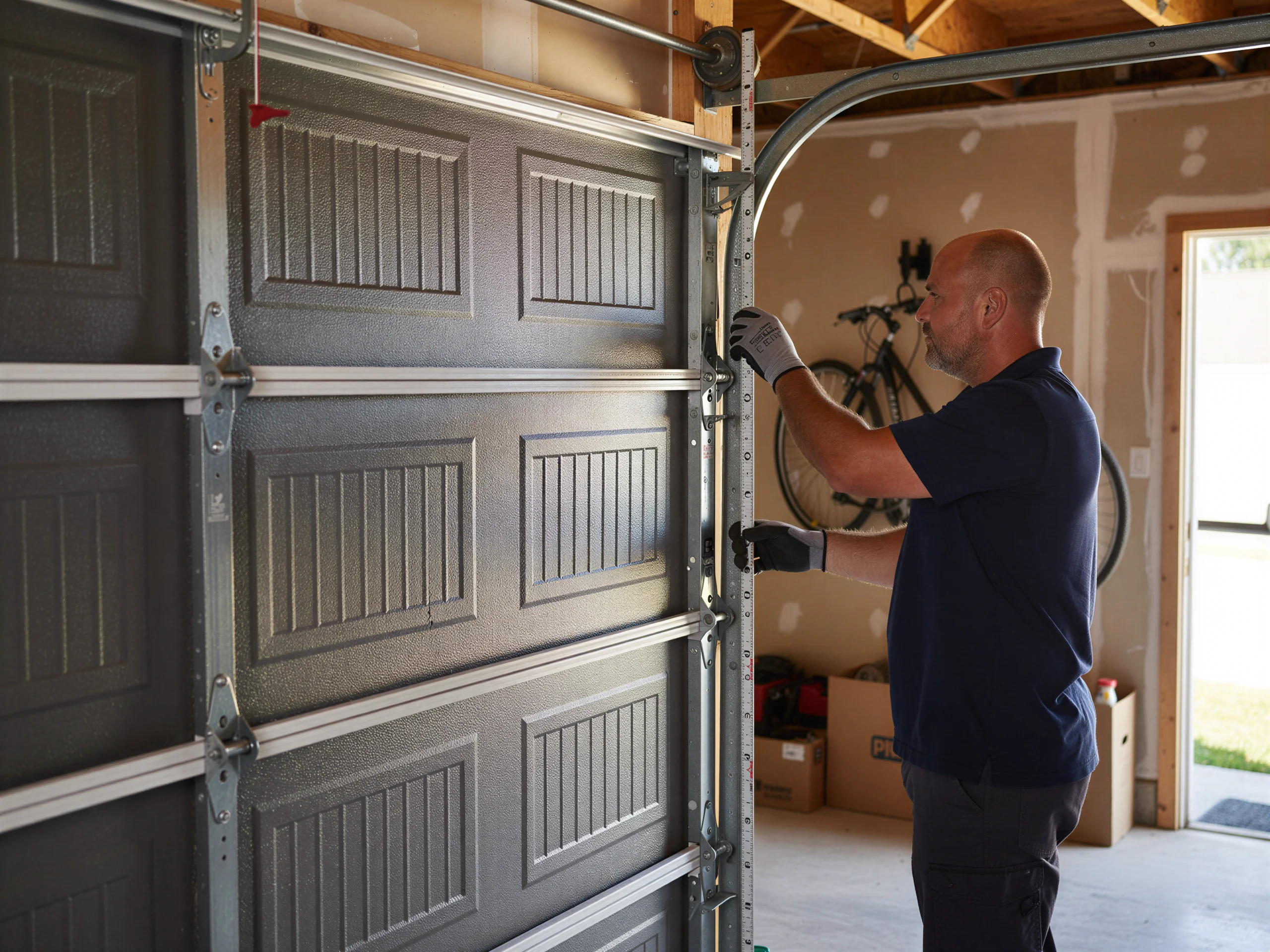
Why It Happens Here
Start with the number that actually decides most of these jobs: median household income across the whole service area runs $64,063. We don't have a Clay-specific income figure, so we can't tell you this neighborhood runs above or below that line - but we can tell you something more useful, which is how old the doors are. Clay's housing stock centers on 2001, a quarter-century newer than the 1976 median that covers most of the rest of the territory. That gap matters more than income does when you're deciding whether a call is worth making.
Newer doors fail differently than old ones. A torsion spring rated for roughly 10,000 open-close cycles doesn't care what year it is - it cares how many times it's been used - but a door installed around 2001 is still well inside its expected working life on the structural side. What breaks first on a Clay house tends to be the spring itself, a worn roller, or a cable that's frayed from years of normal cycling, not the kind of wholesale hardware failure you see on a door from the 1970s with side-mounted torsion on a track nobody stocks anymore. The moderate heat band this area sits in also means lubricant breaks down and hardens over time, which stiffens springs and tracks gradually rather than snapping anything outright.
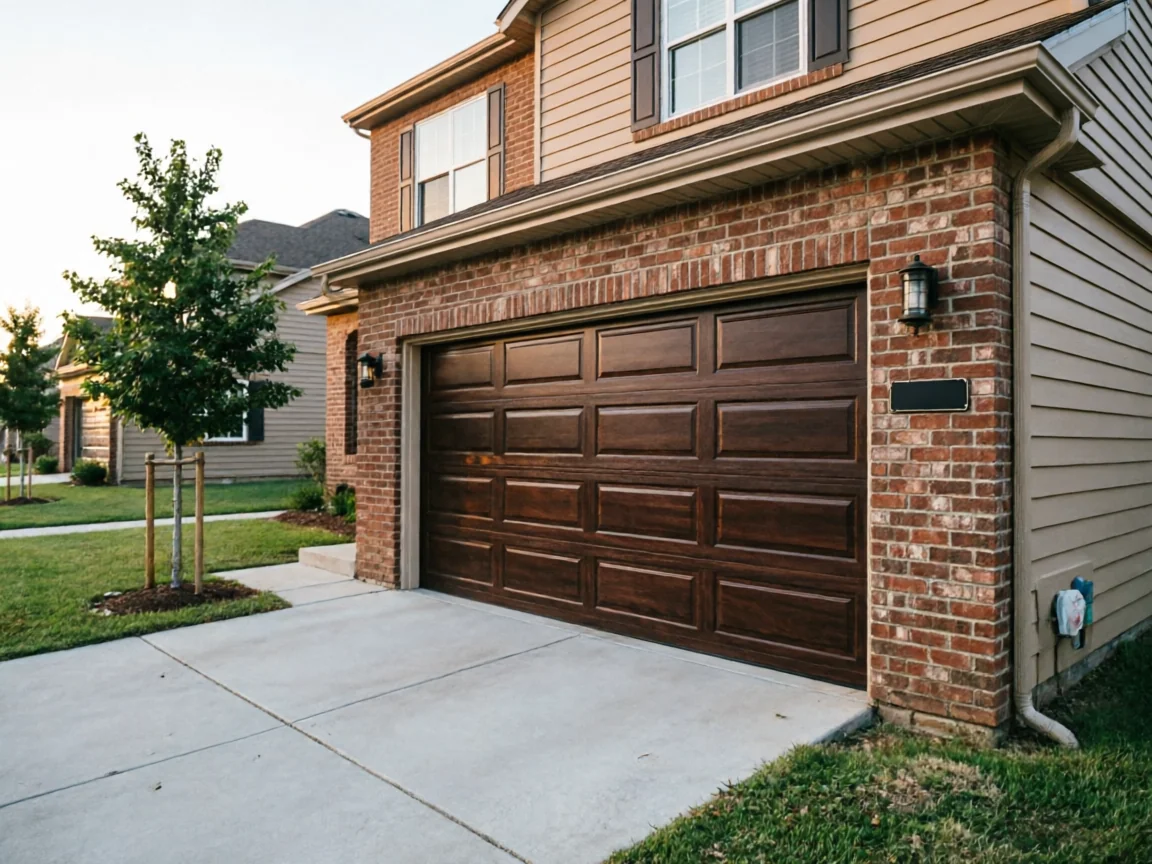
The Complications
Clay sits about 19 miles from Bryan, and with roughly 22 households in the immediate area, this isn't a stop a truck makes on the way to somewhere bigger - it's a dedicated trip.
Call density versus nearby towns
Compare that to Southwood Valley, 7 miles southeast, or Cedar Ridge, 10 miles north: both closer to Bryan, both with denser call volume to draw from. That doesn't change what the repair itself requires, but it does mean there's no local depot to pull an odd part from if something unusual turns up on site.
Standard dimensions for Clay
The other complication is housing-stock specific. Because most Clay homes went up around 2001, door and track sizing tends to follow the standard dimensions builders were using at that time - which is generally good news, since parts for that era are easier to source than for houses from the 1976 median era elsewhere in the service area.
Nonstandard width or panel
The honest limitation here: if a Clay door turns out to be a nonstandard width or a builder-grade panel that's since been discontinued, that part still has to be ordered, and we won't know until we're looking at the actual door.
What the Repair Takes
Most spring jobs on a 2001-era door follow the same pattern: disconnect the opener, clamp the door in place, remove the old torsion spring under controlled tension, and set a matched replacement rated to the door's weight and width. On houses this age, the track and drum hardware are usually still true and don't need replacing alongside the spring, which keeps the job to the spring and maybe a cable or two rather than a full teardown.
Rollers and hinges get checked at the same time, since a stiff roller puts extra strain on whatever spring goes in next. If the opener itself is original to a 2001 install, it's worth a look too - not because the door needs it, but because an opener pushing against a door that's sticking on a bad roller wears out its own gears faster than it should. None of this requires cutting into drywall or framing; it's hardware work on the door and track, done from inside the garage.
The Cost of This Job
This is where the income question actually lands. At $64,063 median household income across the broader service area, most households here are in the range where a spring or cable repair is the obvious call and a full door replacement is the exception, not the default.
Diminishing returns on old hardware
That math shifts in the older 1976-median parts of the service area, where original hardware is reaching the point of real diminishing returns. Clay doesn't have that problem yet - a 2001-built door still has structural life left in the panel and frame, so there's rarely a case for replacing the whole unit when the spring is what failed.
Spring size and opener condition
The honest limitation: we can't quote a price here. Spring size, door weight, and whether the opener needs attention too all move the number, and none of that gets settled until someone's looking at the actual door. What we can say is that for houses built around when Clay's stock went up, repair is almost always the economically sound answer over replacement.
The Symptom
The most common call is the door that won't move at all, paired with an opener that hums or clicks but the door stays put - that's a broken torsion spring, and on a door this age it's almost always age and cycle count, not a defect. A loud bang from the garage, usually heard rather than seen, is the spring letting go. Less dramatic but just as common: a door that's noticeably heavier to lift by hand than it used to be, which points to a spring that's weakening rather than fully broken yet.
Grinding or scraping sounds during travel usually trace back to a worn roller rather than the spring, and on a 2001-era door that's a wear item, not a structural one. A door that reverses right after it starts closing is almost always a safety sensor issue on the opener, separate from the spring and track entirely.
Can You Do This Yourself
Lubricating rollers and hinges, tightening loose hardware on the track brackets, and clearing debris from the sensor eyes are all reasonable for a homeowner to do without a call. A torsion spring is not. It's under enough tension to cause serious injury if it releases while you're working on it, and the winding bars and clamps needed to do it safely aren't something most garages have lying around.
If the door is making noise but still opening and closing on its own power, that's usually safe to leave for a scheduled visit rather than treat as an emergency. If it's stuck shut or the spring has already let go, that's a call-now situation - not because of anything unique to Clay, but because a door under a broken spring can drop without warning.
Questions
Common questions
Are Clay garage doors the same age as the rest of the Bryan area?
No. Most Clay homes were built around 2001, roughly a generation newer than the 1976 median that covers much of the rest of the service area. That means Clay doors and tracks are generally still structurally sound, and most failures here trace to a worn spring, cable, or roller rather than outdated hardware.
Is it worth replacing the whole door instead of repairing it?
For a house built around 2001, usually not. The panel and frame still have working life left, and a spring or cable repair costs a fraction of a full replacement. Replacement tends to make more sense on much older stock where the hardware itself is at the end of its service life.
How far out does the truck have to come for a Clay call?
About 19 miles from Bryan. There's no local depot in Clay, so it's a dedicated trip rather than a stop along a denser route. Standard parts for a 2001-era door are usually easy to source; anything nonstandard may need to be ordered after the first look.
What usually breaks first on a newer garage door?
On houses this age, it's almost always the torsion spring reaching the end of its cycle life, a worn roller, or a fraying lift cable - not the track, drum, or frame. Those wear items fail on a schedule tied to how many times the door's been used, not how old the house is.
Explore more
More Services in Clay
Cable Repair
Clay, TX homes mostly went up around 2001, newer than most of the Bryan service area. Learn more →
Emergency Garage Door
Clay, TX houses mostly date to 2001, meaning double-door torsion springs, not 1970s hardware. Learn more →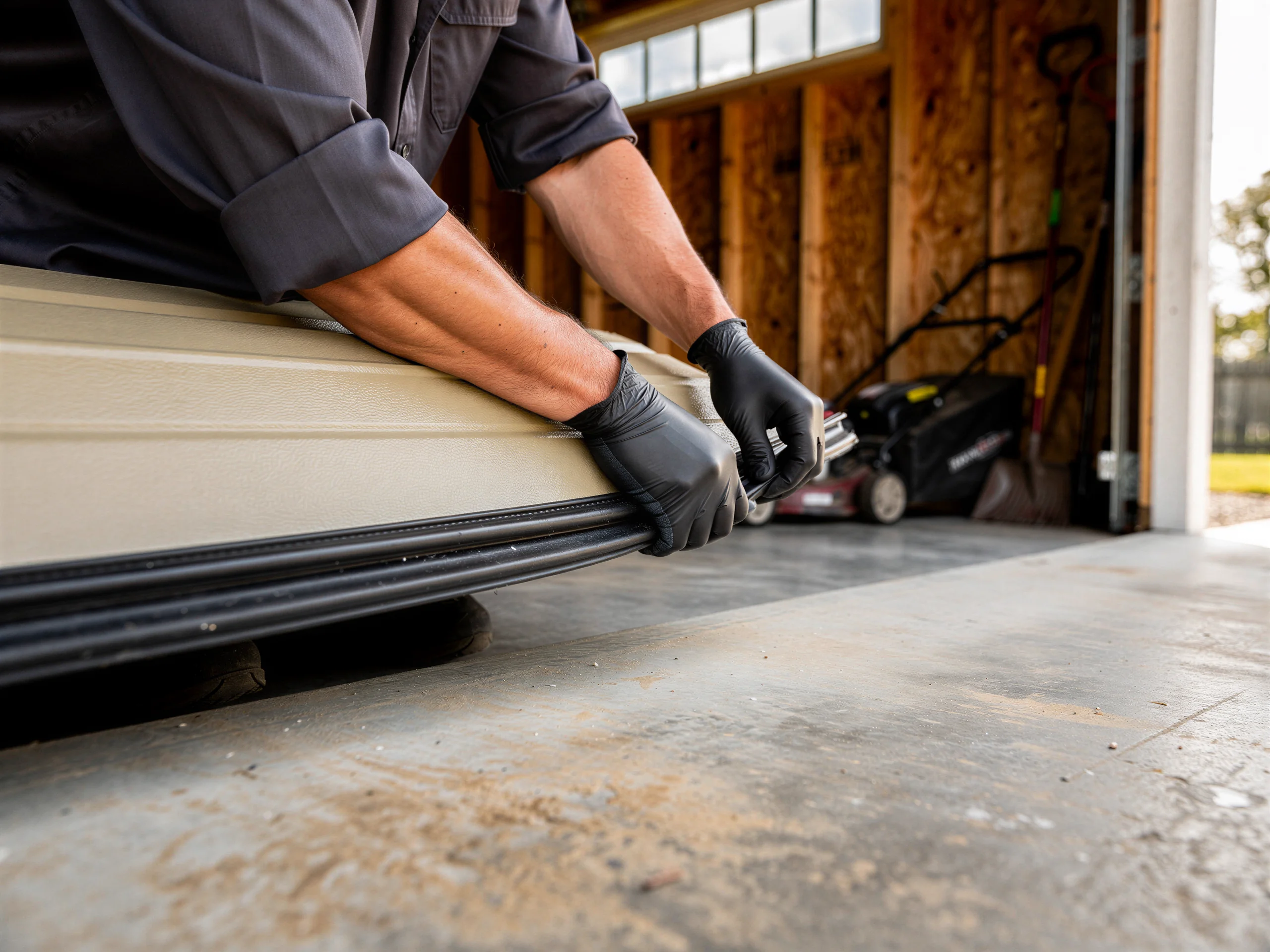
Garage Door Service
Clay's homes run newer than most of Bryan's service area, with a median build year of 2001. Learn more →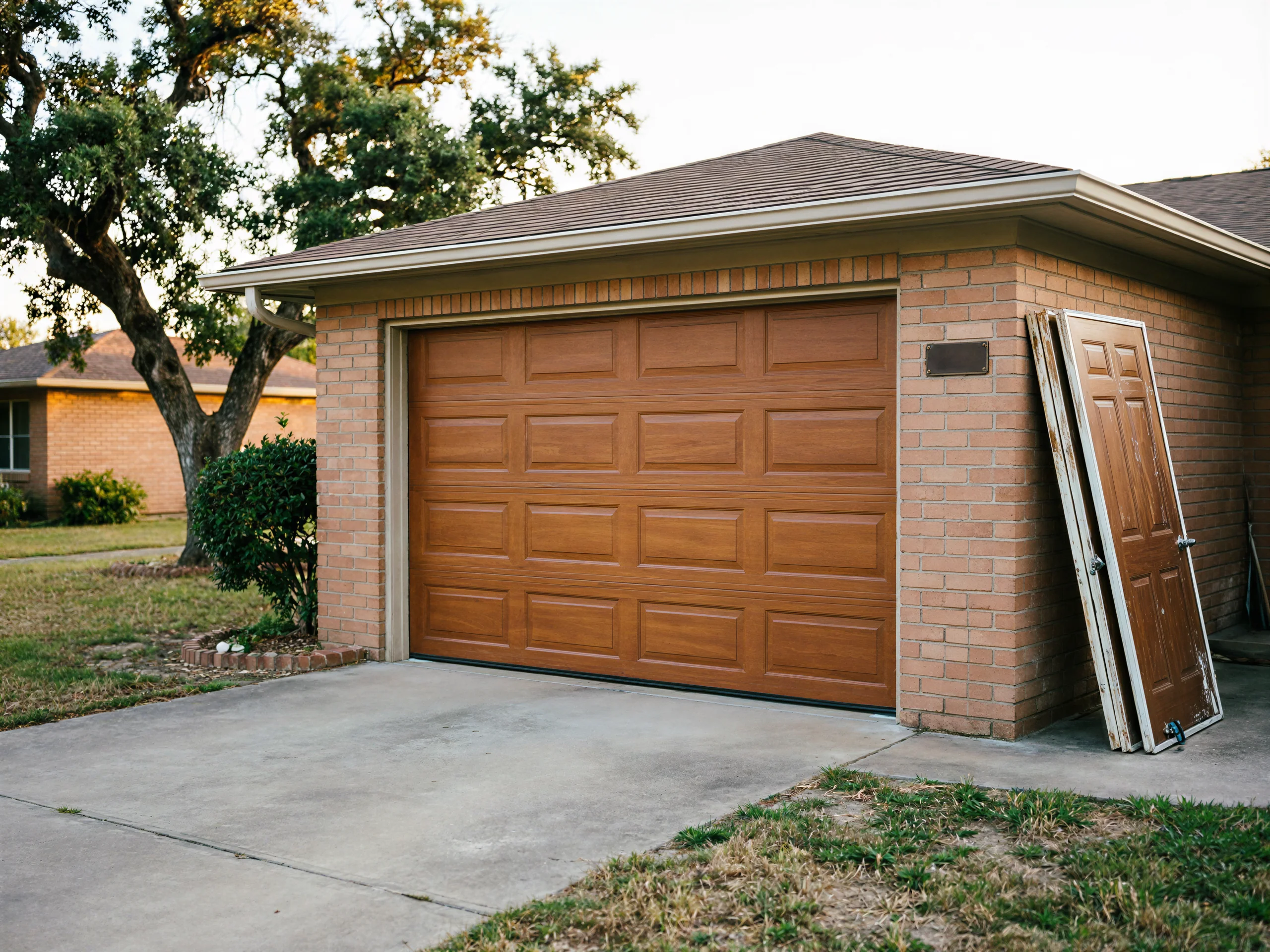
New Door Installation
Clay's homes date mostly to around 2001, a generation newer than much of the Bryan service area. Learn more →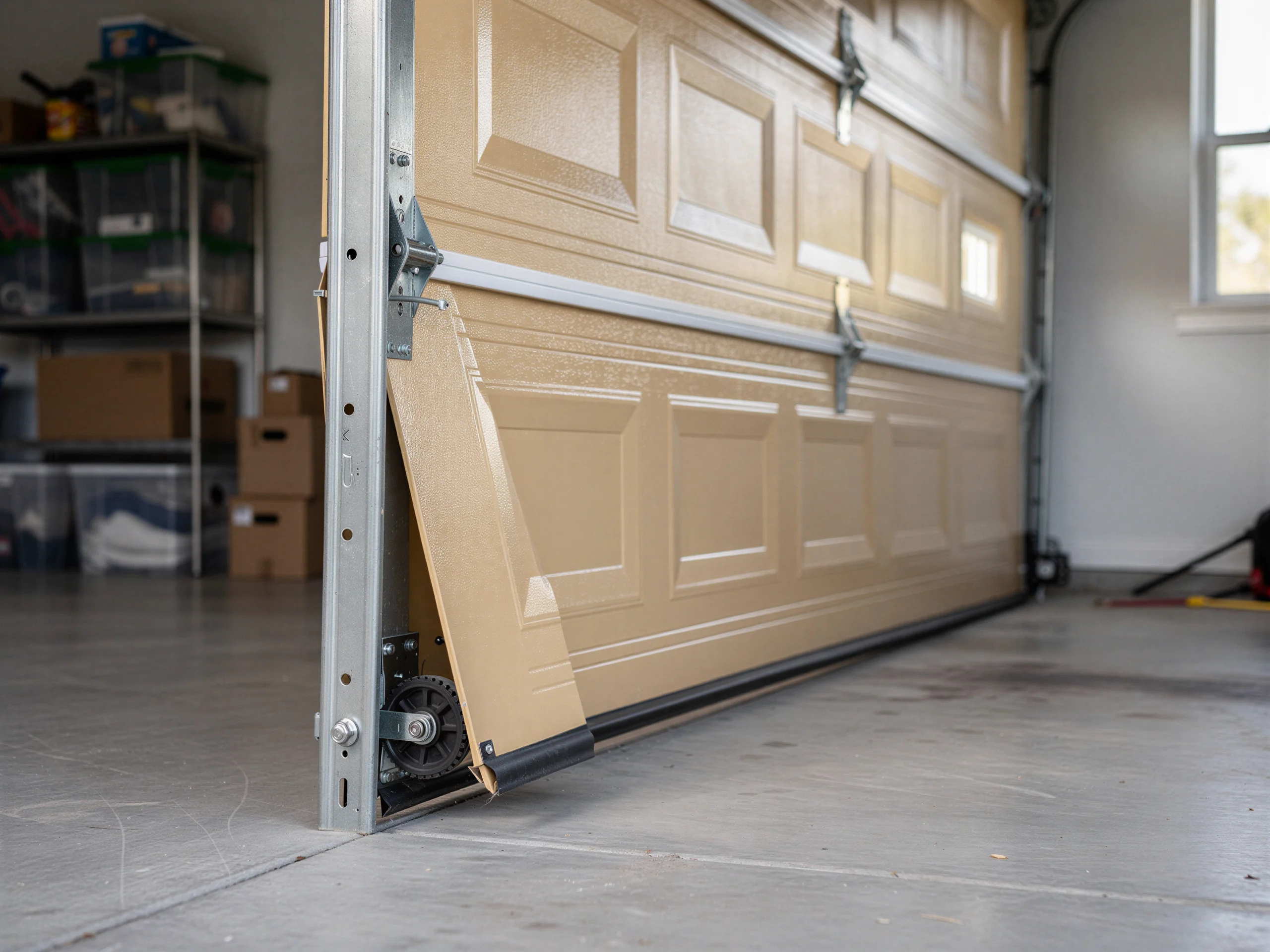
Off Track Repair
Clay, TX homes mostly went up around 2001, newer builder-grade track and rollers than most of Bryan's service area. Learn more →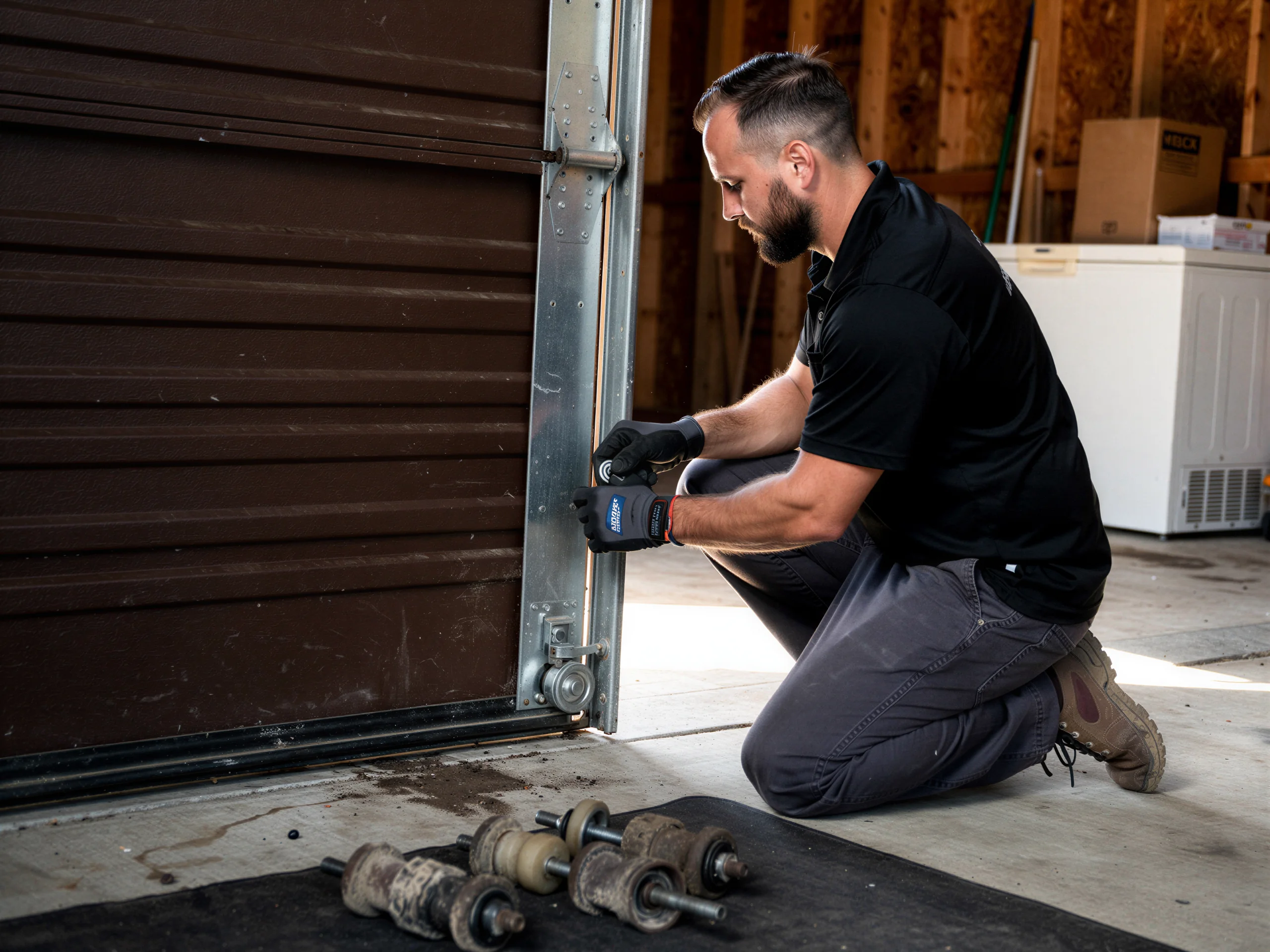
Roller Replacement
Clay sits 19 miles out from Bryan, and its newer housing stock means a different roller setup than the rest of the service area. Learn more →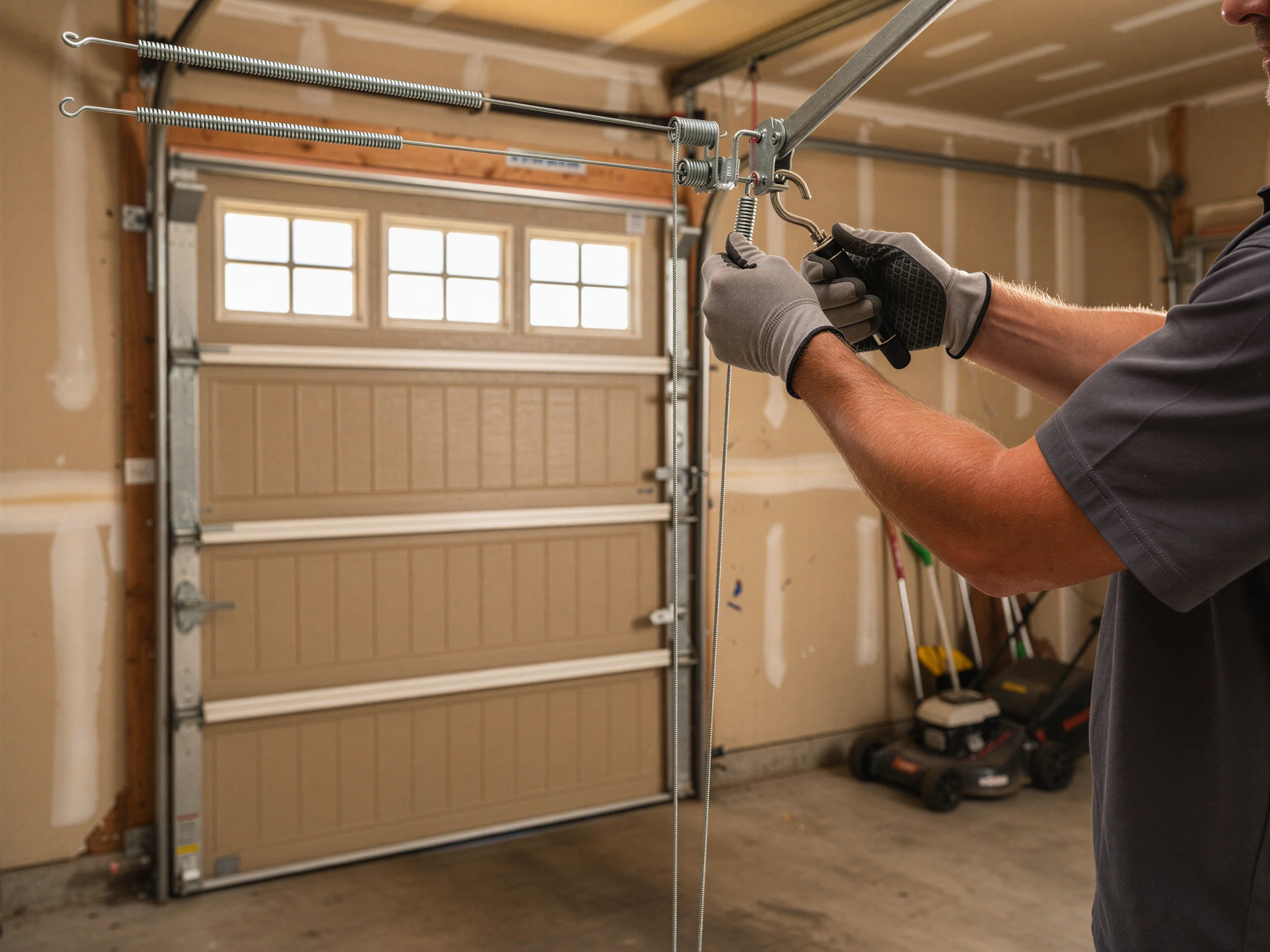
Spring Repair
Clay, TX has only 22 households and newer housing stock than most of the Bryan area. Learn more →Ready when you are
Need a garage door sorted in Bryan?
Bryan Garage Door Pros repairs and installs garage doors, springs and openers in Bryan, TX and the surrounding area.