Clay, Bryan
New Garage Door Installation for Clay, TX Homes
Clay's homes date mostly to around 2001, a generation newer than much of the Bryan service area. Here's what that means for a new garage door install.
Why It Happens Here
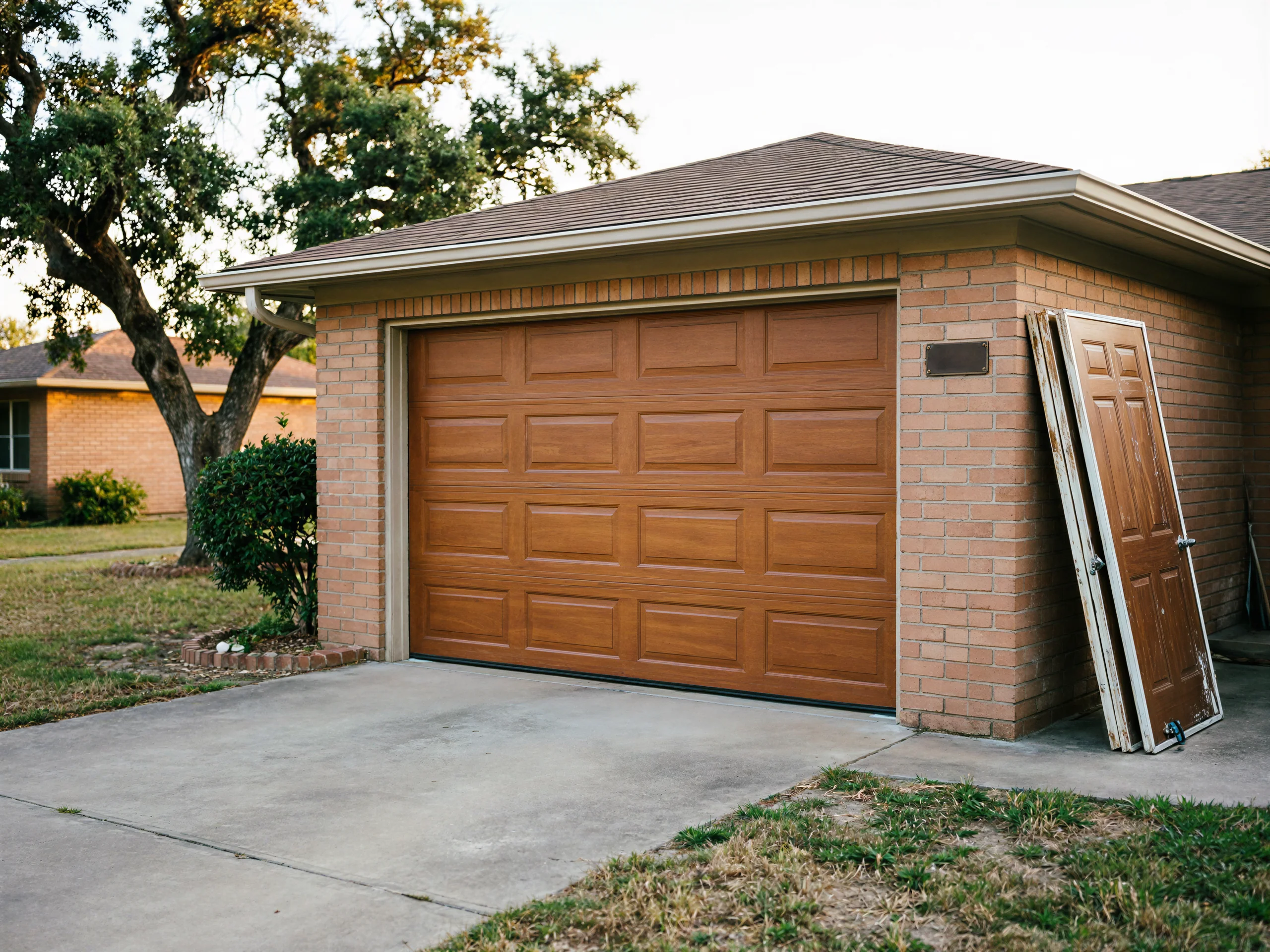
The fault we see in Clay isn't rust-through hardware from a 1970s build - it's a door that was fine for its first fifteen years and is now failing all at once. Clay's housing stock centers on a median build year of 2001, noticeably newer than the 1976 median across the wider Bryan service area, where most stock dates 1970 to 2001. That gap matters. Builder-grade doors installed around 2001 were typically single-layer steel, no insulation core, with torsion springs sized for a lighter, non-insulated panel. Twenty-plus years on, those springs are at or past their cycle life, and the thin panel steel has started to oil-can and dent along the bottom section where moisture sits longest.
Compare that to the older 1960s-70s stock found elsewhere in the service area, where doors are often original one-piece panels on obsolete side-mount hardware. Clay skips that problem - but it has its own: a door old enough to be worn out, new enough that the owner assumes it still has years left. That assumption is usually wrong by the time we get the call.
The Complications
Clay is a small pocket - about 22 households by current count - so we're not running repeat truck trips through repeat subdivisions the way we might elsewhere.
Measuring before the trip
Every install here is a dedicated trip from Bryan, roughly 19 miles out. That doesn't change the work, but it does mean scheduling matters more: we measure and quote off clear information the first time, because a second trip for a missing dimension costs the homeowner a day.
Lighter 2001-era rail hardware
The other complication is matching the new door to a 2001-era opening. Framing and header clearance from that build era are usually standard, but garage door widths and spring systems from that period sometimes used lighter rail and bracket hardware than current doors call for.
Upgrading track and header bracket
If we're installing a heavier insulated door as an upgrade from the original single-layer panel, the track, rollers, and sometimes the header bracket need to come along with it - not just the door skin. Skipping that step is how a new door ends up sagging within a year on hardware it was never sized for.
What the Repair Takes
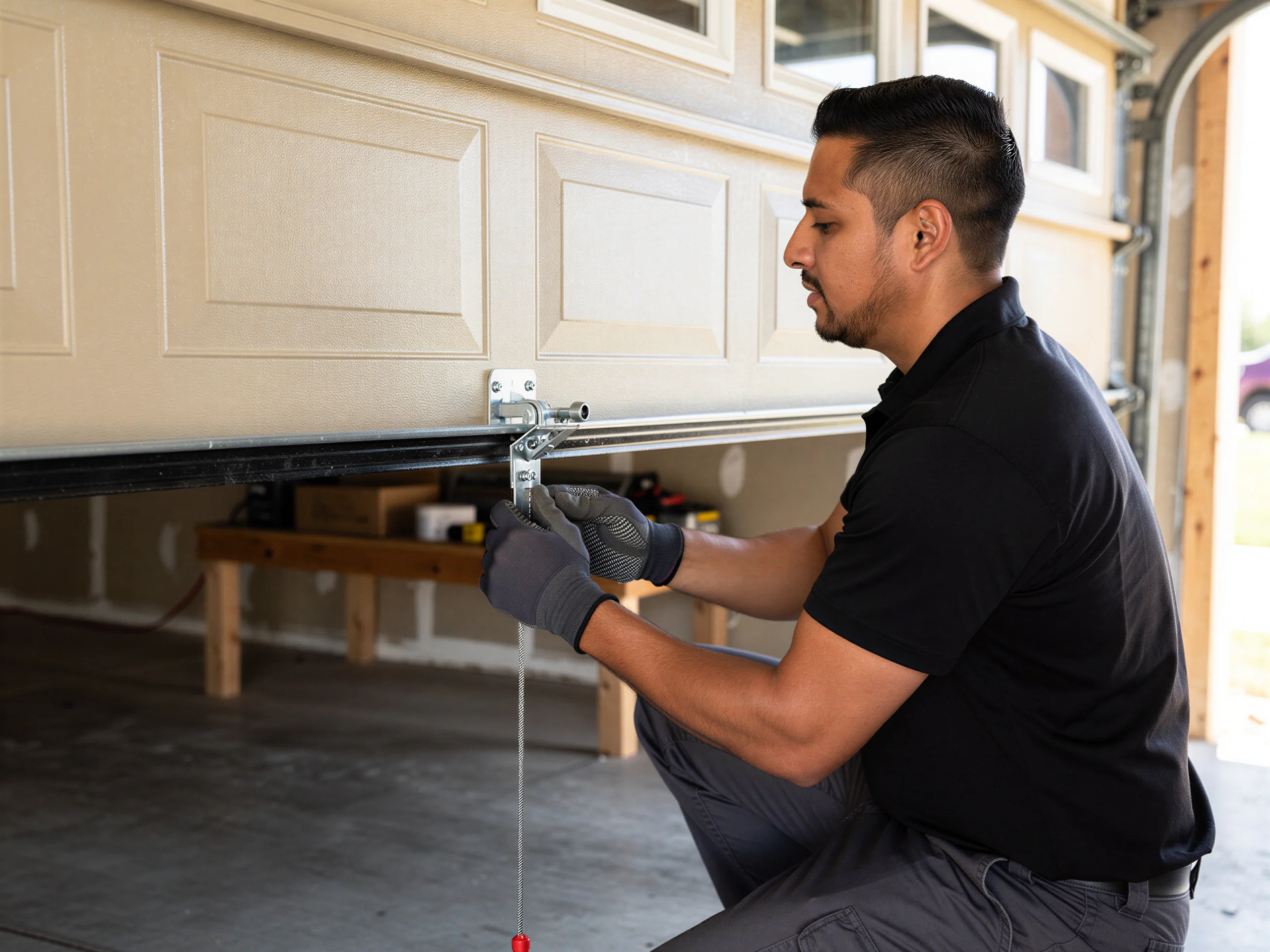
A proper install starts with pulling the old door off its track completely - panels, springs, cables, the works - not just hanging a new skin on old rail.
Header clearance and jamb check
For a 2001-build opening, we check the header clearance and jamb condition before anything goes up, since two decades of settling can shift an opening slightly out of square even when the house looks fine. New track gets set plumb to the actual opening, not the old marks.
Springs sized for new door
Springs are sized to the new door's weight, which is almost always heavier than what came out if the owner is moving from a non-insulated original panel to a modern insulated one. Rollers, cables, and the opener's travel limits all get set from scratch rather than reused, since mismatched old hardware on a new door is the single most common cause of an early callback.
Half-day install timing
For most homes in Clay this is a half-day job once the door and hardware are on the truck. Custom sizes or special-order finishes add lead time on the ordering side, not the install side.
The Cost of This Job
We don't have a flat number to quote here, and we'd rather tell you that than make one up. What drives the cost on a Clay install is mostly the door itself - insulated versus non-insulated, steel gauge, window inserts - plus whether the hardware upgrade described above is needed alongside it.
Given that median household income across the broader service area runs around $64,063, most of what we install leans toward solid mid-grade insulated steel doors rather than premium wood-composite or heavily customized designs - not because those options aren't available, but because that's what tends to make sense for the homes and budgets we see out here. We'll give you a real number once we've seen the opening and talked through insulation and style, not before.
The Symptom
The usual first sign in a 2001-era Clay home isn't a door that won't open - it's a door that's gotten loud, heavy to lift by hand, or visibly uneven at the bottom corners.
Heat transfer through single layer
Garage temperatures swing with the moderate heat this area sees seasonally, and a single-layer panel with no insulation transfers that heat straight into the attached garage, which is often the first thing an owner notices before they ever think about the door's mechanical condition.
Sagging from stretched cable
Sagging on one side usually means a cable has stretched or a roller has worn its track groove wider than spec - both normal wear for a door pushing past its twenty-year mark.
Sudden drop is safety issue
If the door drops suddenly when the opener releases it, that's a spring at or past failure, and it's not a cosmetic issue. A door that heavy coming down uncontrolled is a safety problem, not just a maintenance one, and it's usually the point where repair stops making sense next to full replacement.
Can You Do This Yourself
We'll say plainly what we tell anyone who asks: swapping door panels or a spring set on a torsion system is not a weekend project, and we don't recommend doing it without the right bars and clamps. A wound torsion spring under tension has put people in the hospital, and that risk doesn't go down because the door looks simple.
What you can reasonably do yourself is the diagnosis - watching how the door moves, listening for grinding on the rollers, checking whether it's uneven side to side. That's useful information to hand us before we come out from Bryan, since it helps us bring the right hardware the first trip instead of guessing. The lift, the spring work, and the final track alignment are where we'd ask you to let a truck handle it.
Questions
Common questions
How old are the garage doors in Clay typically
Most homes in Clay were built around 2001, so original garage doors are commonly single-layer steel without insulation, now past the point where springs and rollers sized for that lighter panel hold up well, especially if the owner is considering an insulated upgrade.
Do you have a local office in Clay
No. We work out of Bryan and travel to Clay for every job, about 19 miles each way. That means scheduling the visit with accurate measurements matters, since a second trip for missing information costs a day.
Will a new door fit my old track and opener
Not always, and we check before assuming. Homes built around 2001 sometimes have lighter rail and bracket hardware than a modern insulated door needs, so an upgrade to a heavier panel often means new track and springs sized to match, not just a new door skin.
Explore more
More Services in Clay
Cable Repair
Clay, TX homes mostly went up around 2001, newer than most of the Bryan service area. Learn more →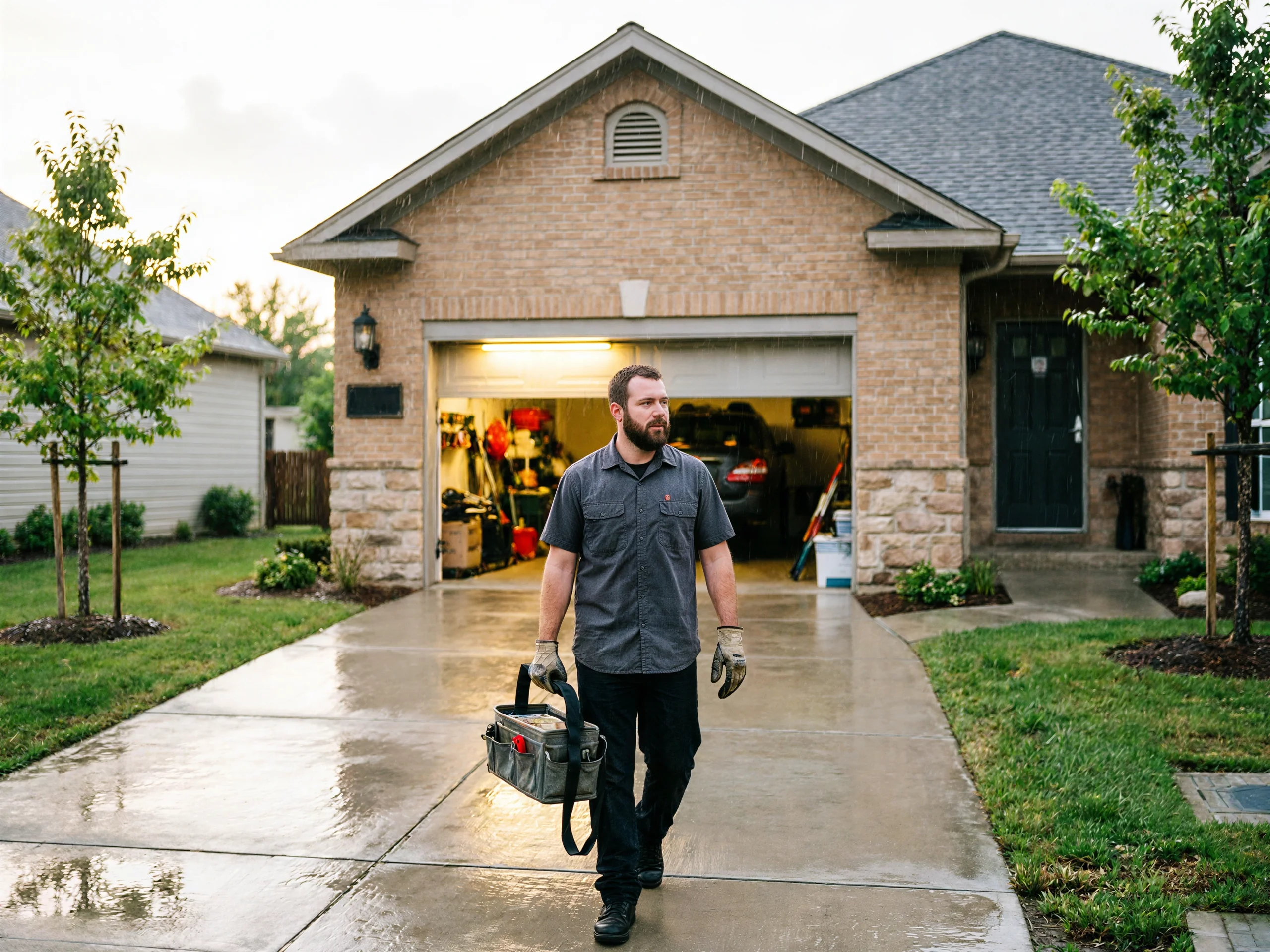
Emergency Garage Door
Clay, TX houses mostly date to 2001, meaning double-door torsion springs, not 1970s hardware. Learn more →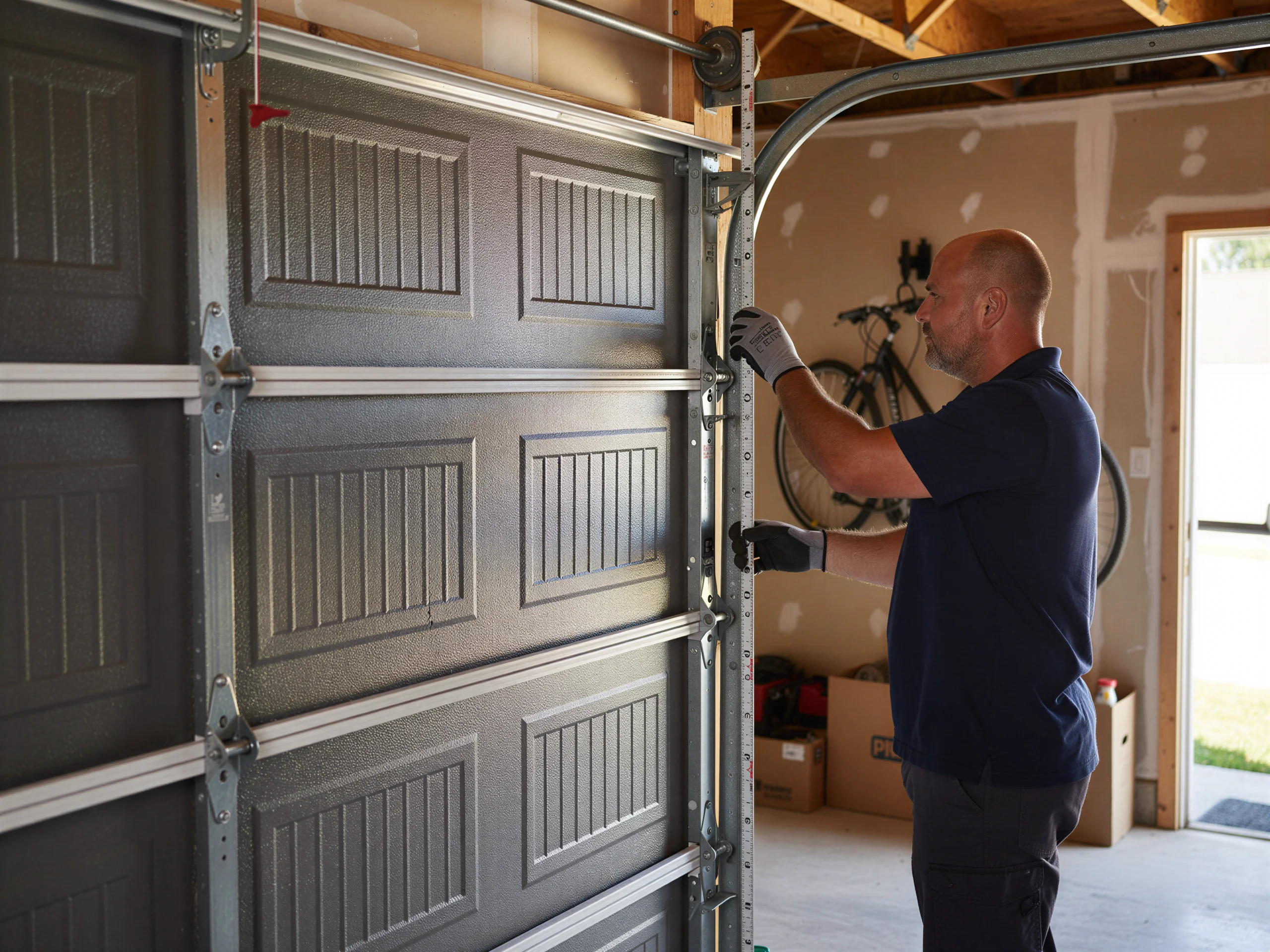
Garage Door Repair
Clay's homes date to around 2001, a generation newer than most of the service area. Learn more →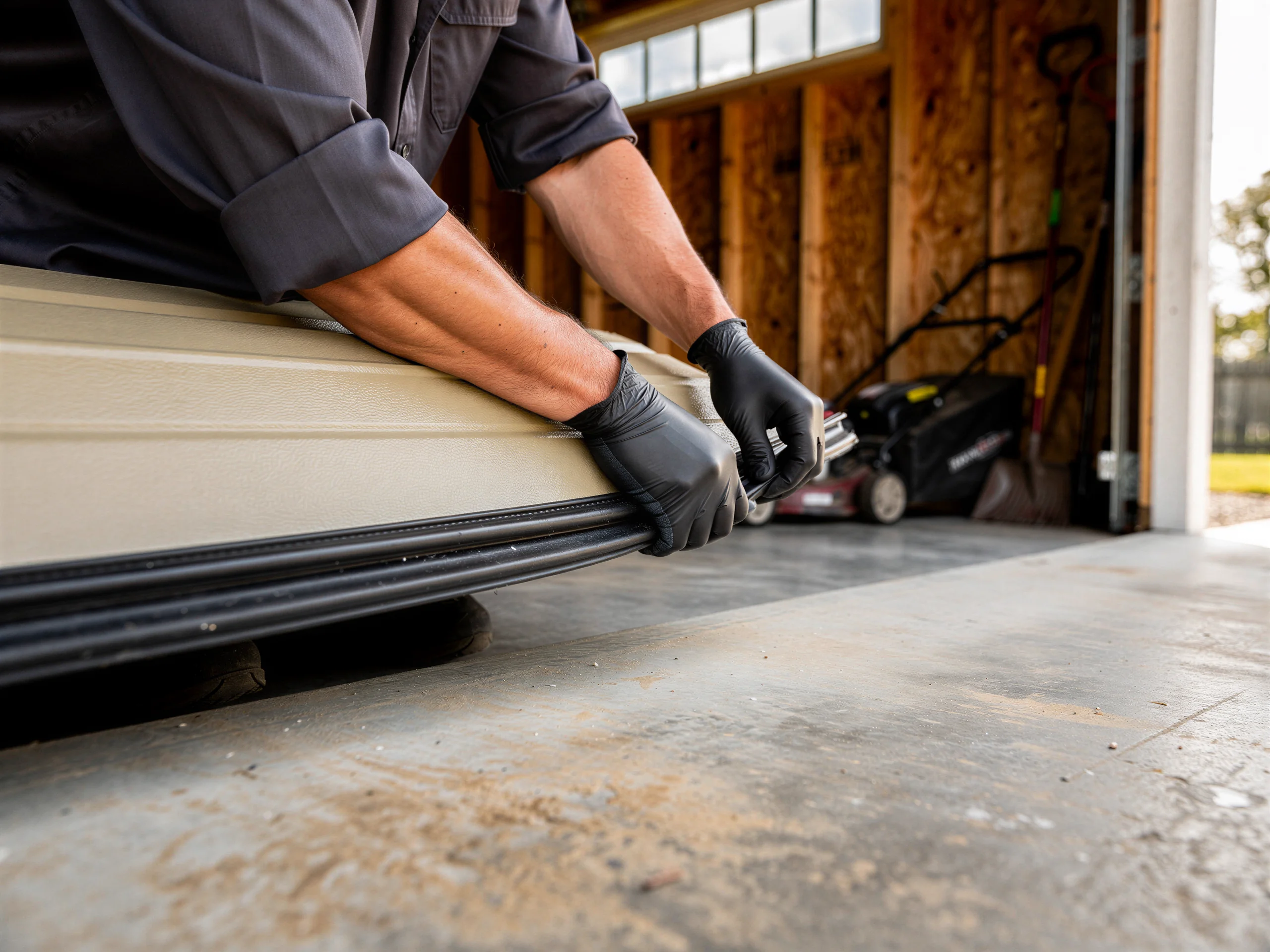
Garage Door Service
Clay's homes run newer than most of Bryan's service area, with a median build year of 2001. Learn more →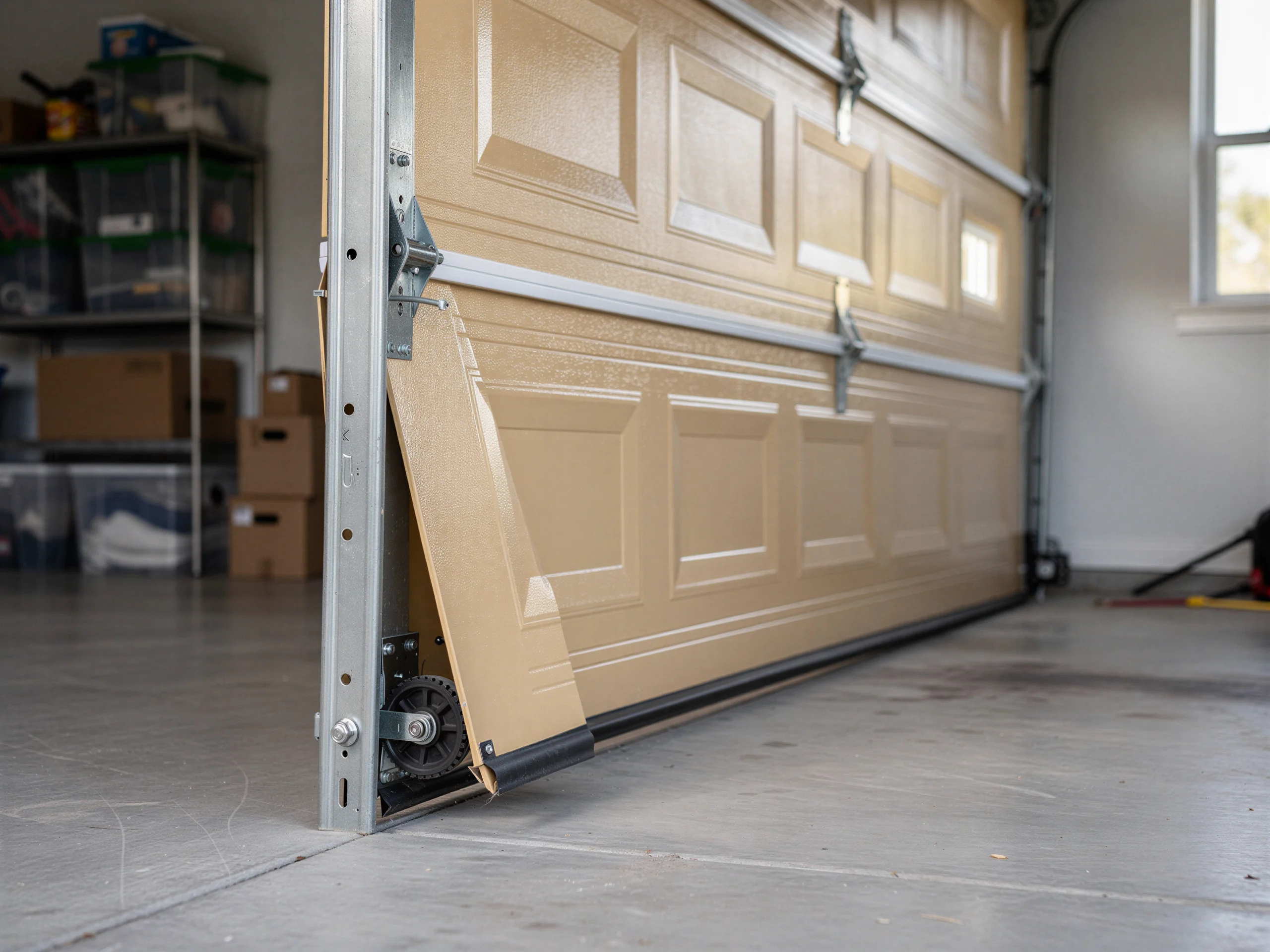
Off Track Repair
Clay, TX homes mostly went up around 2001, newer builder-grade track and rollers than most of Bryan's service area. Learn more →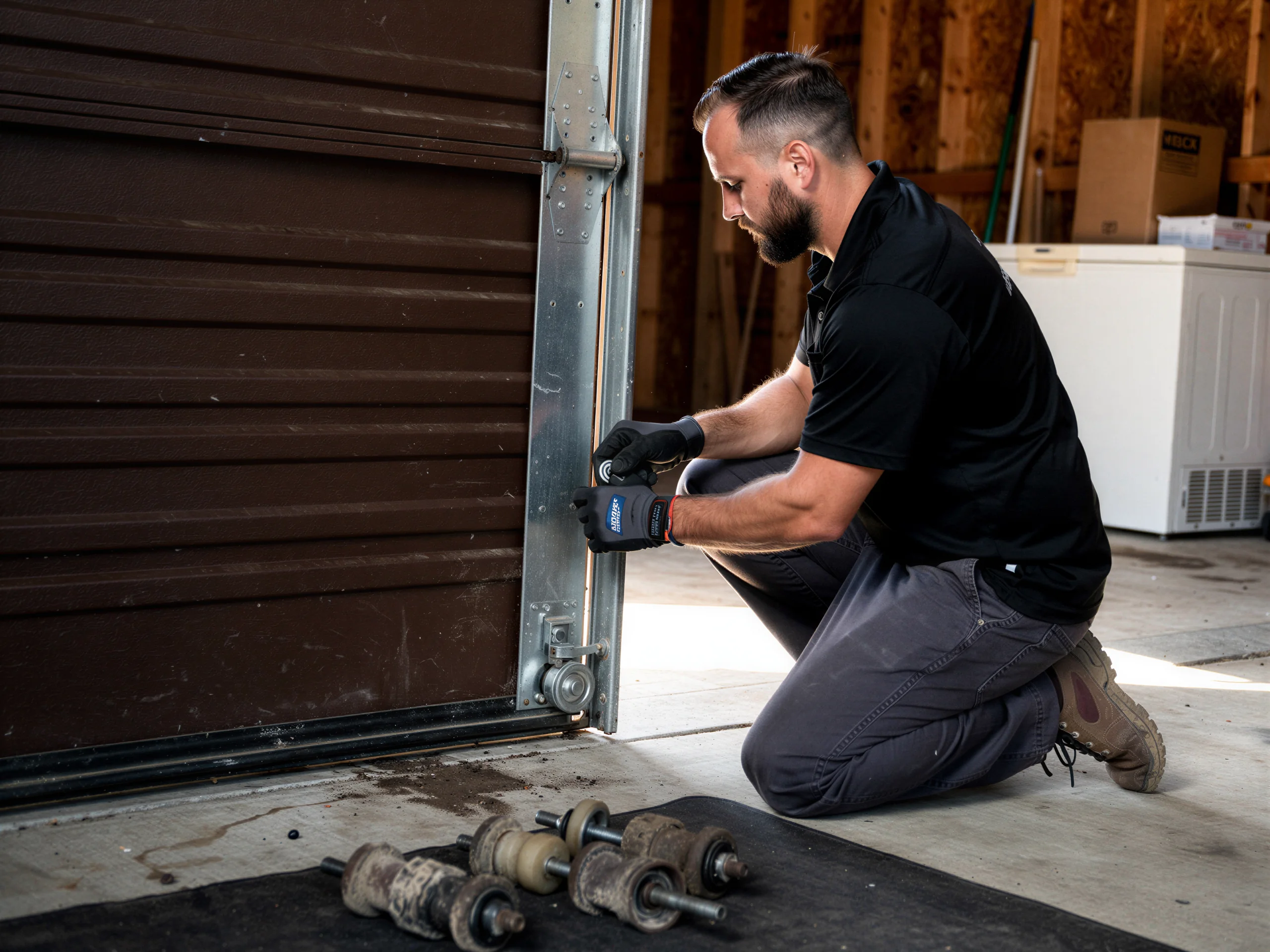
Roller Replacement
Clay sits 19 miles out from Bryan, and its newer housing stock means a different roller setup than the rest of the service area. Learn more →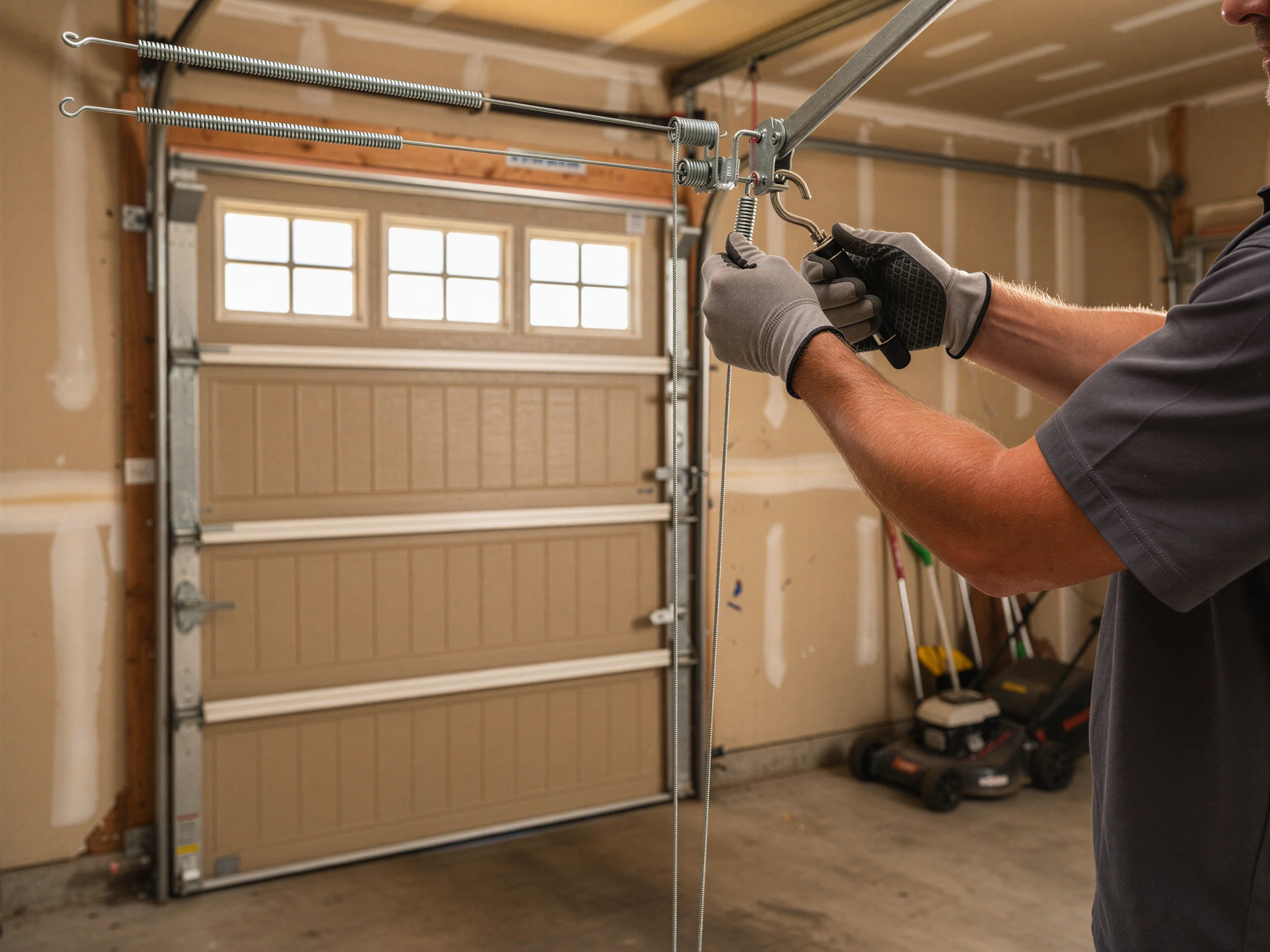
Spring Repair
Clay, TX has only 22 households and newer housing stock than most of the Bryan area. Learn more →Ready when you are
Need a garage door sorted in Bryan?
Bryan Garage Door Pros repairs and installs garage doors, springs and openers in Bryan, TX and the surrounding area.