Snook, Bryan
Roller Replacement for Snook's 1970s Steel Doors
Snook homes built around 1976 came with steel rollers that wear out predictably after decades of moderate Texas heat. We travel from Bryan to replace them, no new door needed.
The Complications
Most of the garage doors we see in Snook went up around 1976, which puts them square in the middle of the 1970-2001 building wave that shaped this stretch of the county.
Steel rollers, not nylon
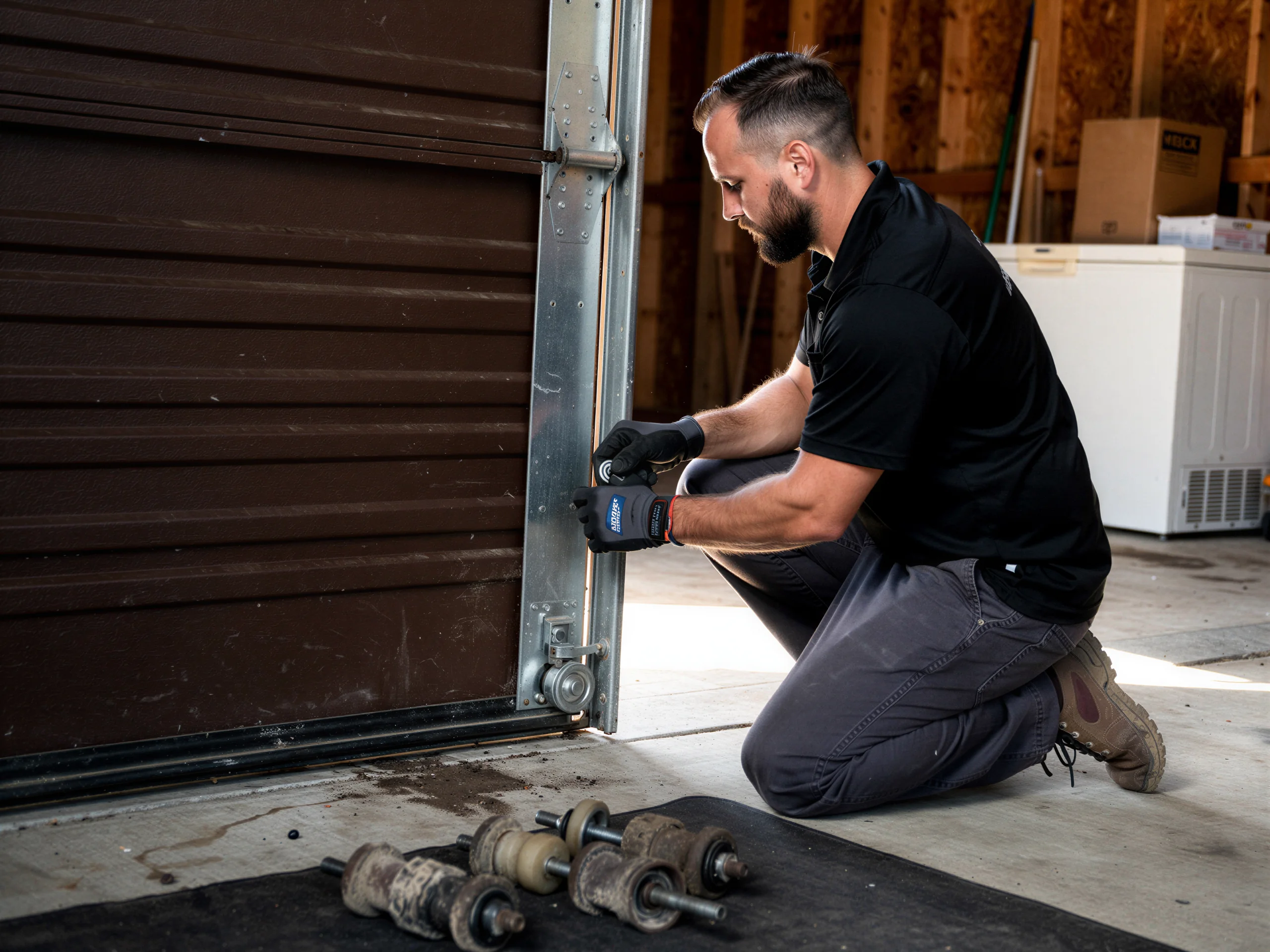
These are steel sectional doors, usually a single 7-foot-wide panel or a 16-foot double, hung on steel rollers that were standard hardware for that era - not the sealed nylon rollers you'd find on anything built after the mid-1990s.
Bearing failure from heat cycles
The steel wheel rides directly in the track with a thin bearing, and after close to fifty years of summer heat expansion and contraction, that bearing is usually what's gone, not the door itself. With only 261 households in Snook, a lot of these doors came from a handful of builders working the same years, which means the same hardware problem shows up house after house.
Identifying roller hardware era
The fix is almost always rollers, not a full door, but you have to know which era of hardware you're dealing with before you order parts. Steel rollers from the mid-70s use a different stem length and wheel diameter than anything sold today, and a mismatch binds the track within a season.
Time on the Job
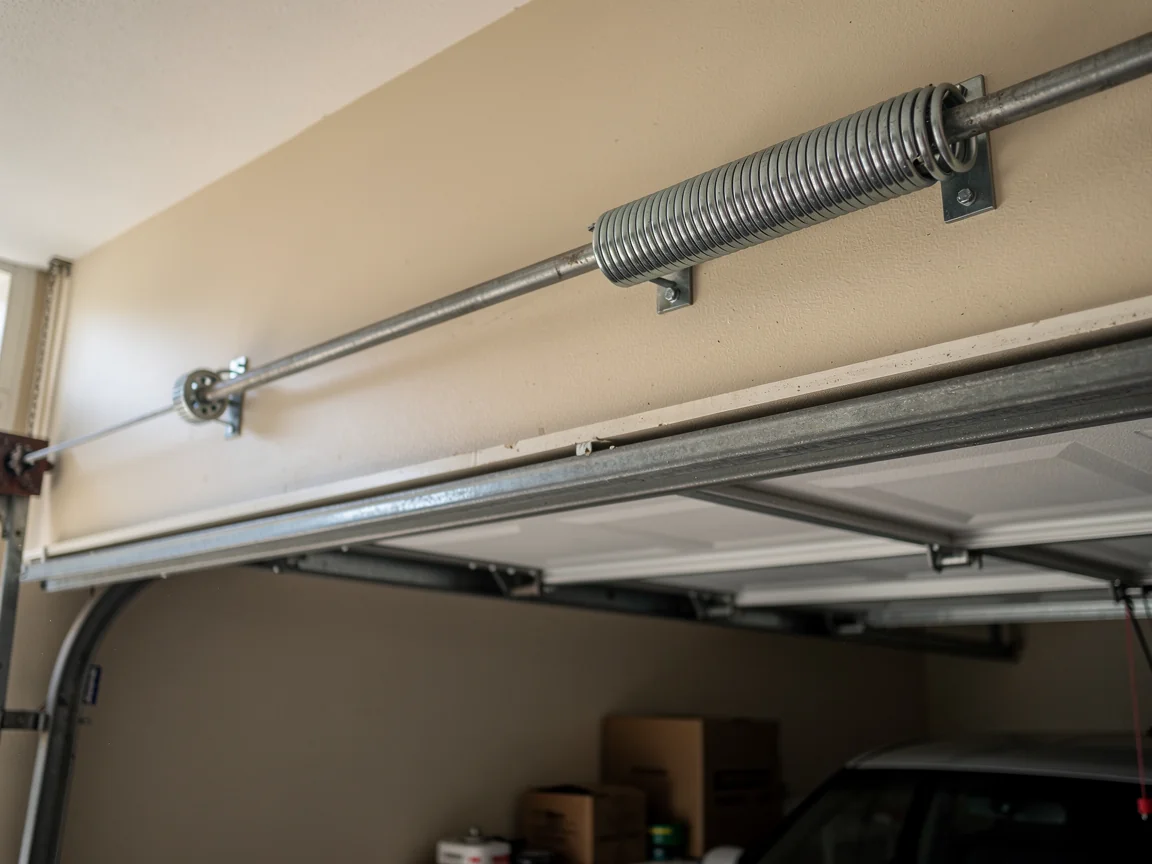
We work out of Bryan, about 13 miles from Snook, so a roller job here isn't a same-day walk-in - it gets scheduled like any call outside the shop. Once we're on site, roller replacement on a standard door, steel or aluminum track, is a job measured in an hour or two, not a full day. The time sink is usually the first roller or two: on a door this old, the track brackets have often loosened from decades of use, and those need to be reset and resquared before new rollers go in. Skip that step and the new rollers wear the same way the old ones did, just faster.
The Symptom
The giveaway on a steel-roller door from this era isn't usually that the door won't open - it's the noise.
Grinding at the top bend
A worn steel roller makes a grinding or rattling sound as it travels the track, especially right at the bend near the top where the door curves onto the horizontal rail. You'll feel it too: the door catches or jerks instead of gliding, and on a double-wide 16-foot door the shake is more obvious because there's more panel swinging on each worn wheel.
Grease cannot restore bearings
Grease won't fix a bearing that's gone metal-on-metal. If the door is also sagging unevenly at one corner, that's usually a different roller on a different track wearing at a different rate, which is common when one side gets more sun than the other.
Can You Do This Yourself
Swapping a roller on an unloaded section, like the bottom panel with the door down and the spring tension off the cables, is within reach for someone comfortable with hand tools. What isn't a good DIY call is anything near the top roller on a door still under spring tension, or on a double door where the torsion spring is doing real work holding the weight. Steel rollers from the 1970s also have longer stems than most modern replacements, and buying the wrong length means the roller pulls loose from the bracket under load. If you're not sure which stem length your door uses, that's worth a call before you buy anything, not after.
What the Repair Takes
A full roller set on a single door usually means ten rollers top to bottom, swapped a few at a time so the door stays supported on the track throughout.
Bottom bracket tightening
We check the track alignment and the bottom brackets as we go, since on a door this age the brackets have usually loosened even if nobody's noticed yet.
Opener force setting recheck
We also check the opener's force setting afterward - a door that's been grinding through worn rollers for months sometimes has the opener compensating with extra force, and new rollers can make a once-balanced door suddenly feel too aggressive.
Bent or rusted track
One limitation worth saying plainly: if the track itself is bent or rusted through, which does happen on doors this old, rollers alone won't fix it, and we'll tell you that before replacing parts that won't solve the actual problem.
Getting It Booked In
Since we're coming from Bryan, Snook calls go on the schedule rather than getting worked in same-day, so it helps to describe what you're hearing - grinding, jerking, a door that's slow on one side - when you call. That lets us bring the right roller stem length and track hardware for a door from the 1970s instead of showing up with parts sized for a newer build. For general service beyond roller work, see our Snook garage door service page; for the same roller job on the Bryan side of things, that's covered on our Bryan roller replacement page.
Questions
Common questions
Why do Snook's garage doors use steel rollers instead of nylon?
Most Snook homes date to around 1976, and steel rollers were the standard hardware on garage doors built in that era. Sealed nylon rollers didn't become common until the 1990s, so a door from the 1970s almost always has the older steel-wheel design, which wears differently and needs different replacement parts.
Do you keep a truck stocked for Snook calls?
We work out of Bryan, about 13 miles away, and travel out for scheduled jobs. We don't keep a depot in Snook, so roller jobs here are booked rather than same-day walk-ins.
Can I just replace one roller instead of the whole set?
If only one roller is grinding and the rest are quiet, replacing just that one is reasonable. But on a door around fifty years old, the other rollers are usually close behind it in wear, so replacing the set at once often saves a second service call.
Will new rollers fix a door that shakes on one side?
Often yes, if the shake comes from a worn roller on that side's track. But if the track bracket has pulled loose or the track itself is bent, which isn't unusual on a door this age, rollers alone won't stop the shake and the bracket or track needs attention too.
Explore more
More Services in Snook
Cable Repair
Cable repair for Snook homes built around 1976, where original extension-cable hardware is more common than it is in Bryan proper. Learn more →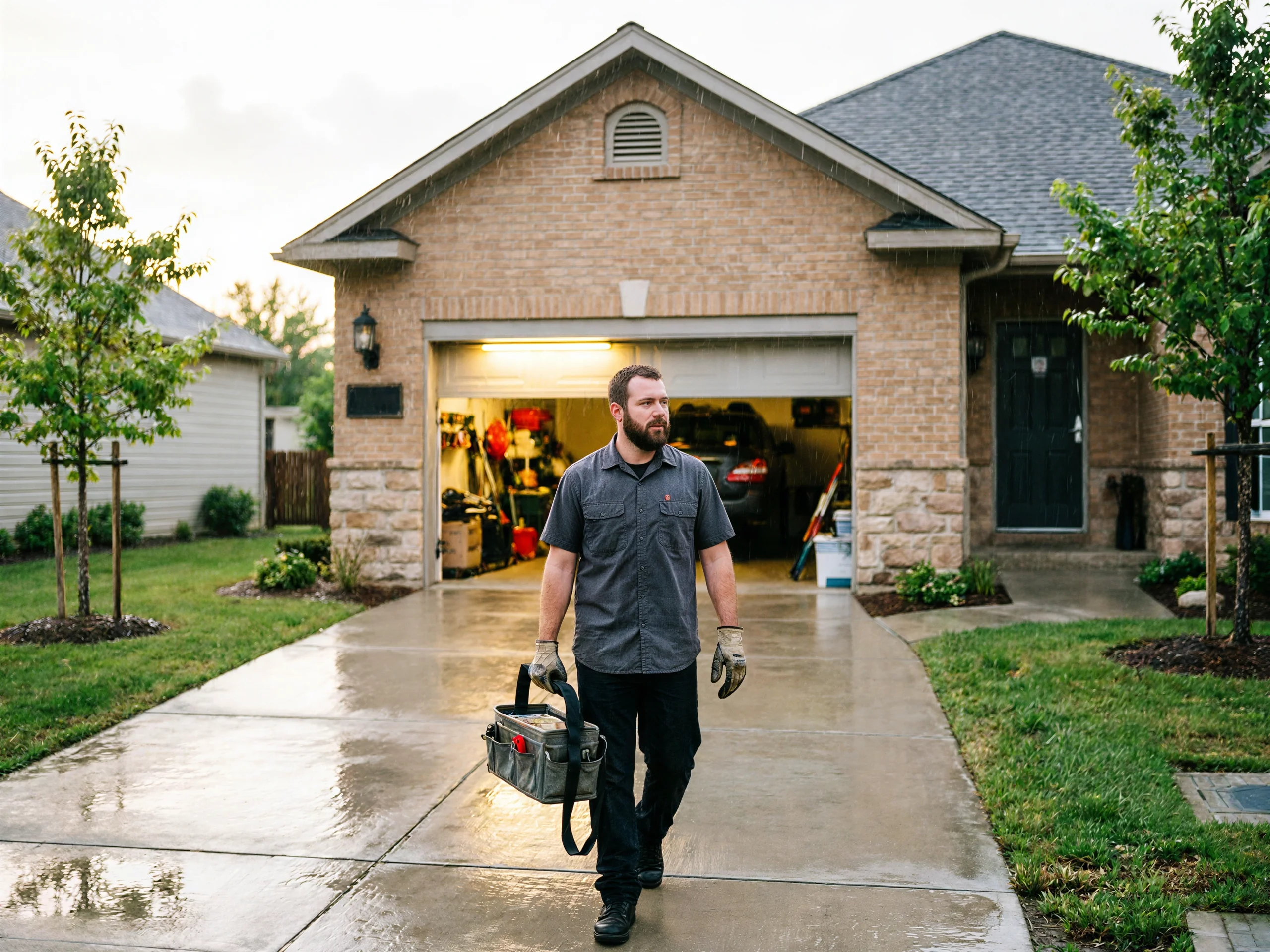
Emergency Garage Door
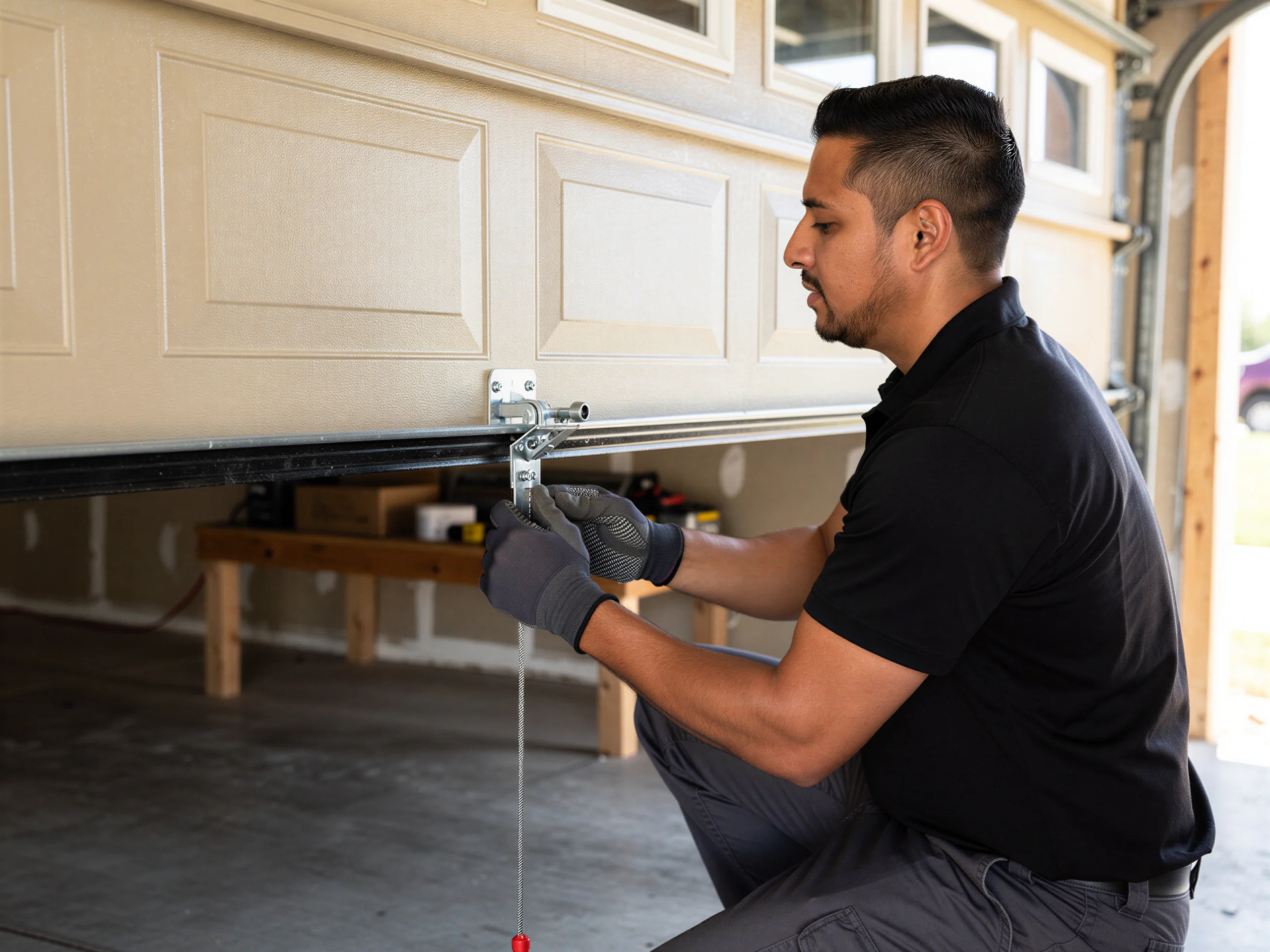
Snook homes mostly date to 1976, and torsion springs on those original doors are failing now. Learn more →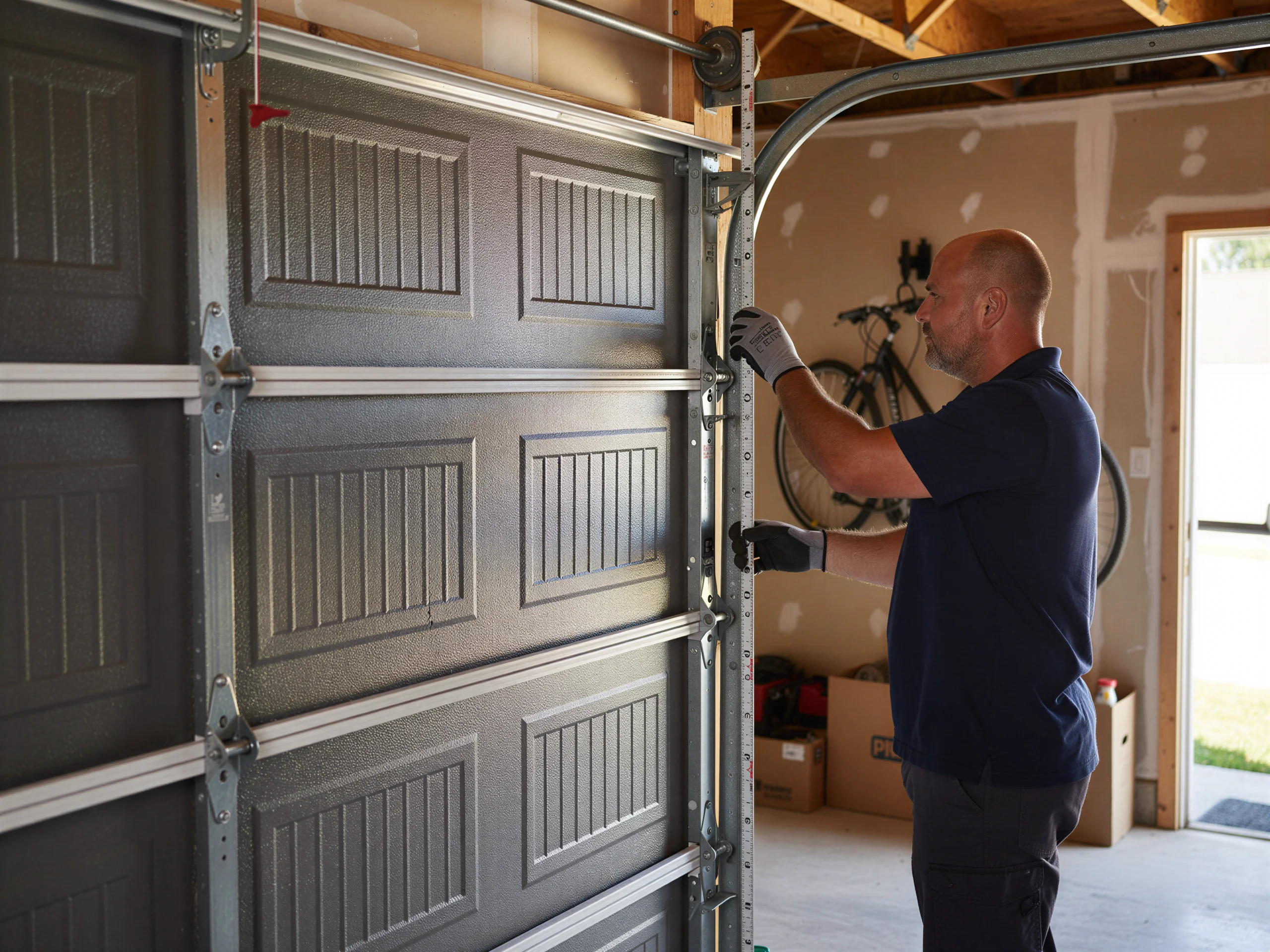
Garage Door Repair
Garage door repair for Snook, TX, 13 miles from Bryan. Learn more →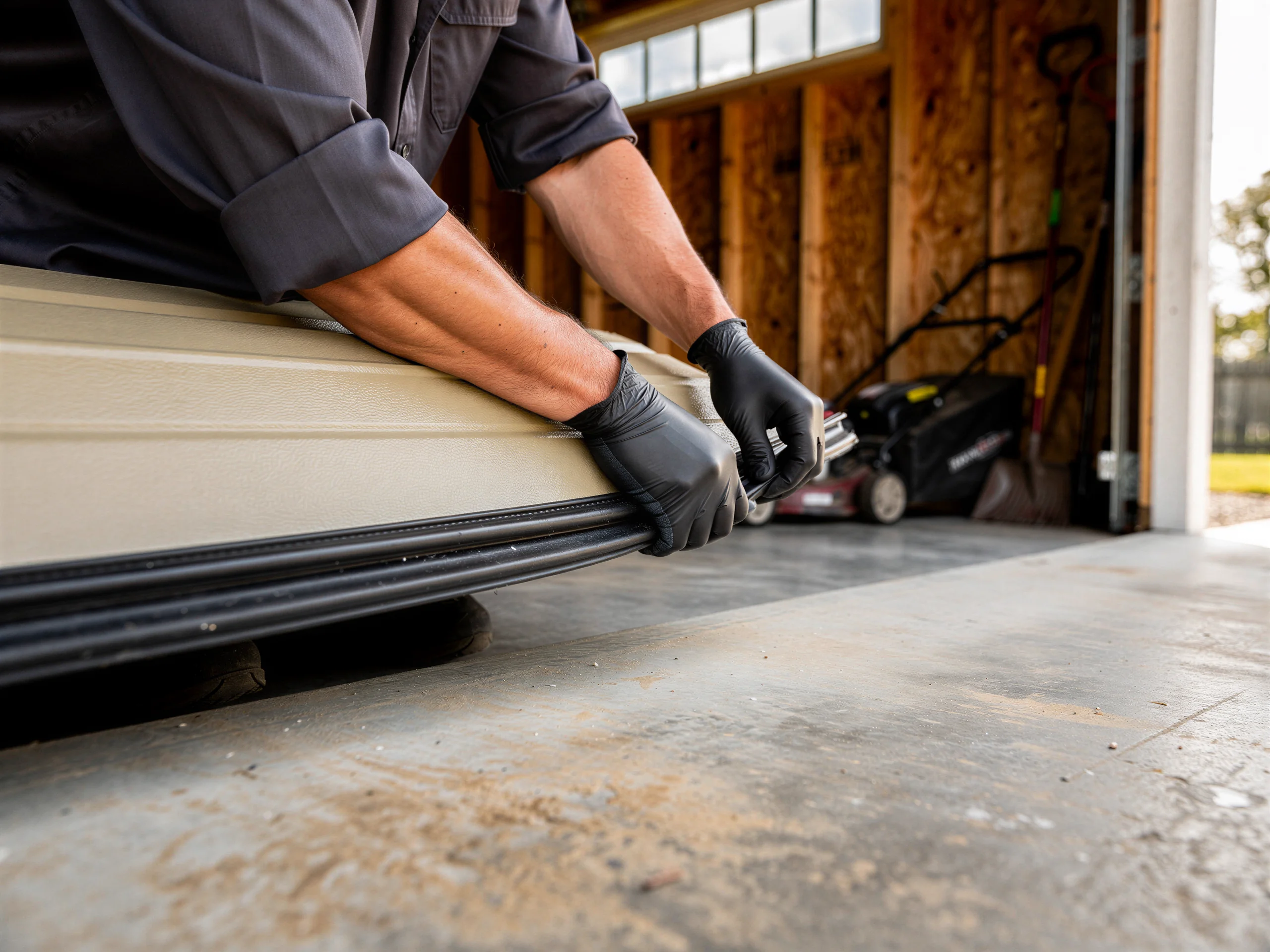
Garage Door Service
Garage door repair and service for Snook, TX homes built mostly in the mid-1970s. Learn more →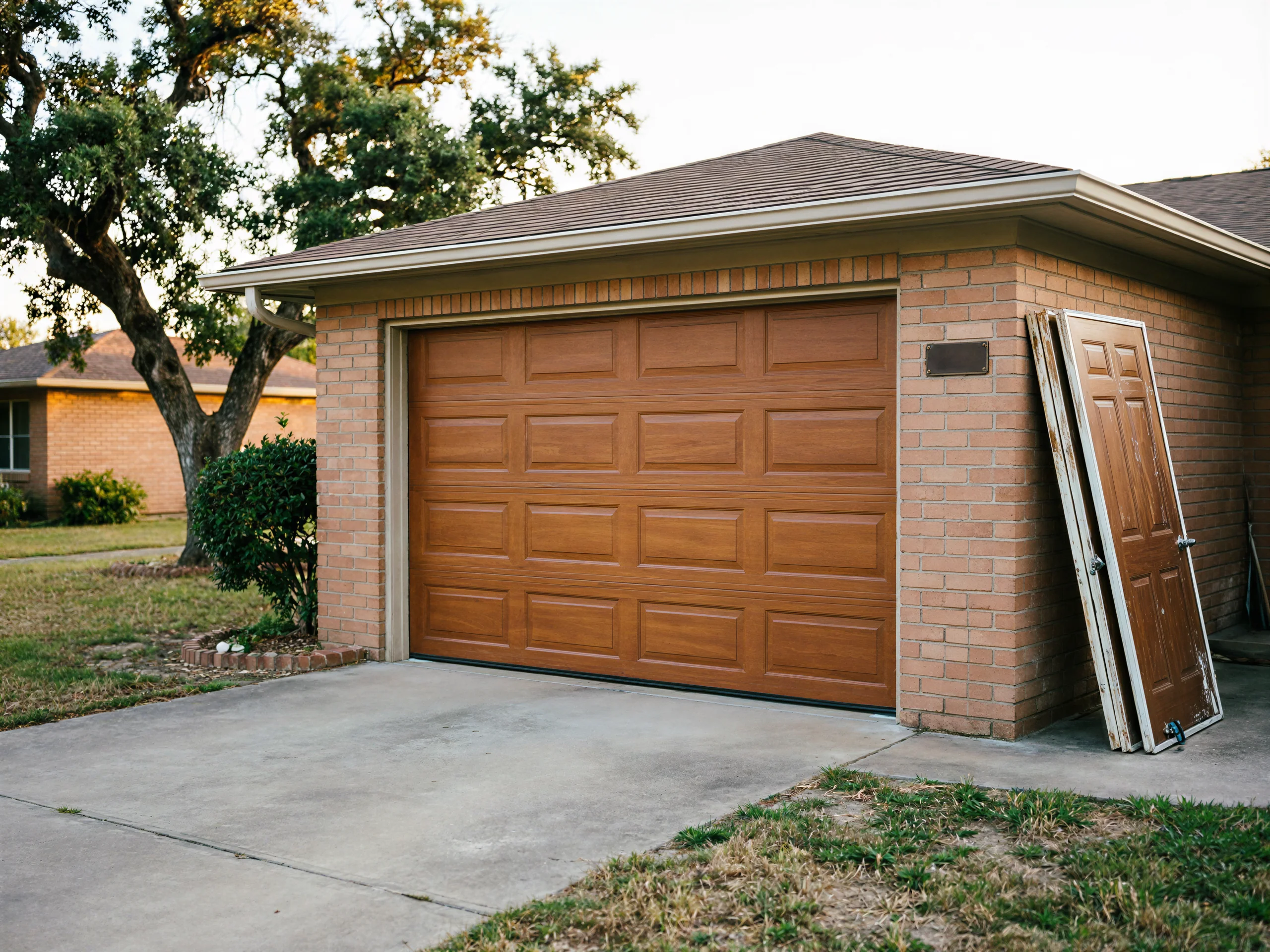
New Door Installation
Snook households run well above the area's $64,063 median, which changes the install math on 1970s-era doors. Learn more →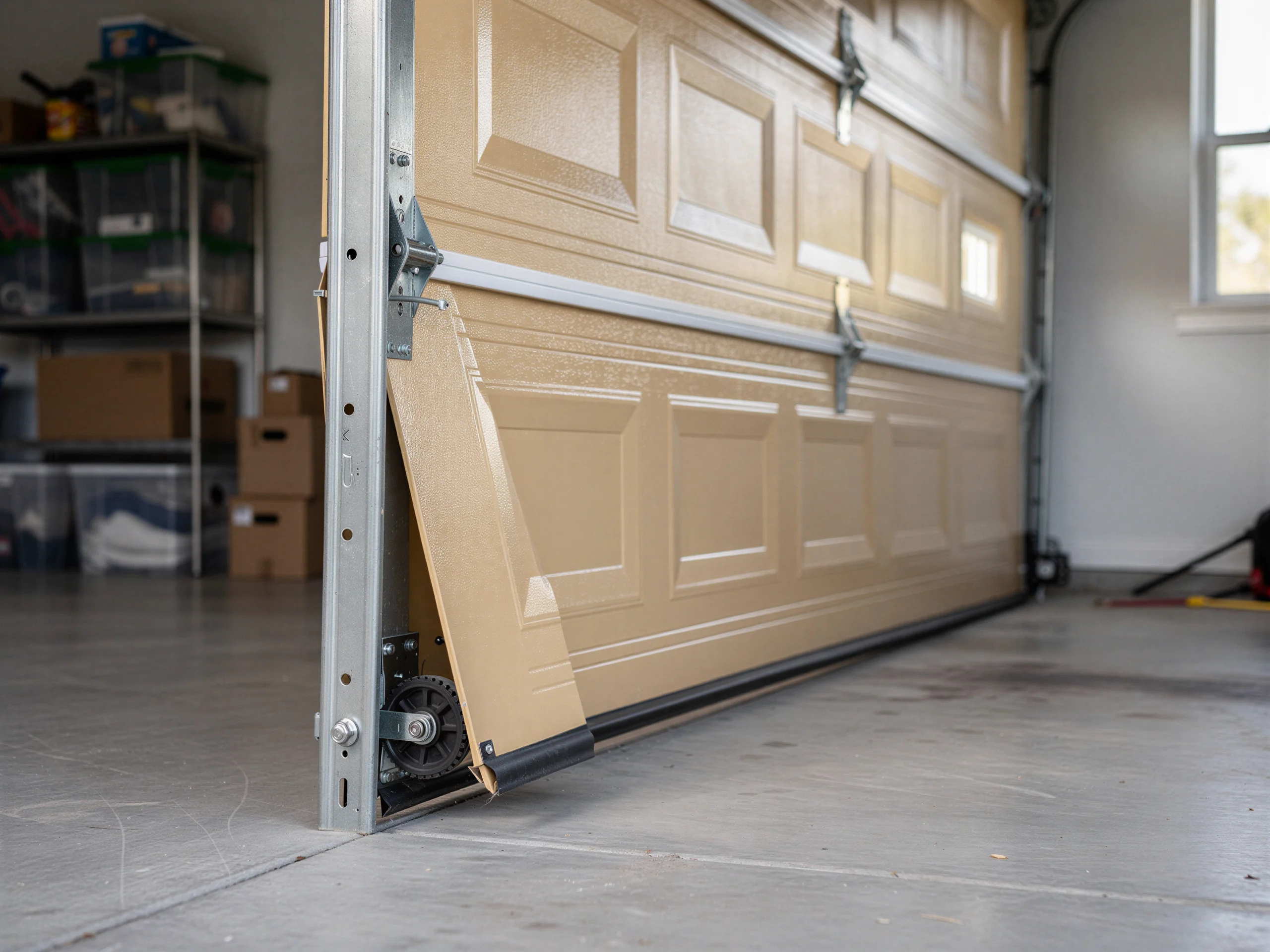
Off Track Repair
Off-track garage door repair for Snook homes built around 1976, serviced from Bryan, 13 miles out. Learn more →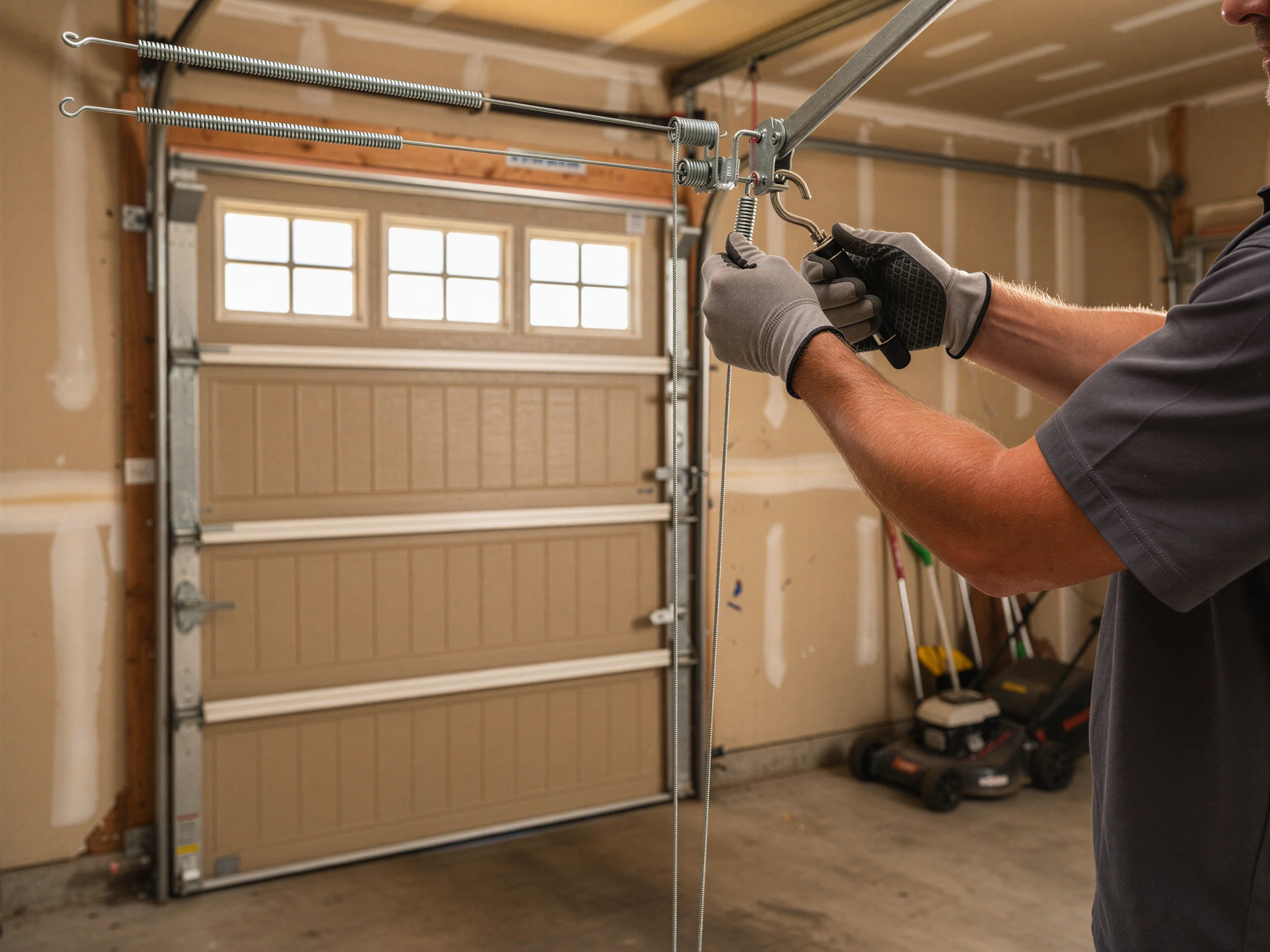
Spring Repair
Snook homes mostly went up around 1976, meaning torsion spring setups now pushing past their rated cycle count. Learn more →Ready when you are
Need a garage door sorted in Bryan?
Bryan Garage Door Pros repairs and installs garage doors, springs and openers in Bryan, TX and the surrounding area.