Snook, Bryan
Spring Repair for Snook's 1970s Garage Doors
Snook homes mostly went up around 1976, meaning torsion spring setups now pushing past their rated cycle count. We drive out from Bryan for spring repair and replacement.
The Complications
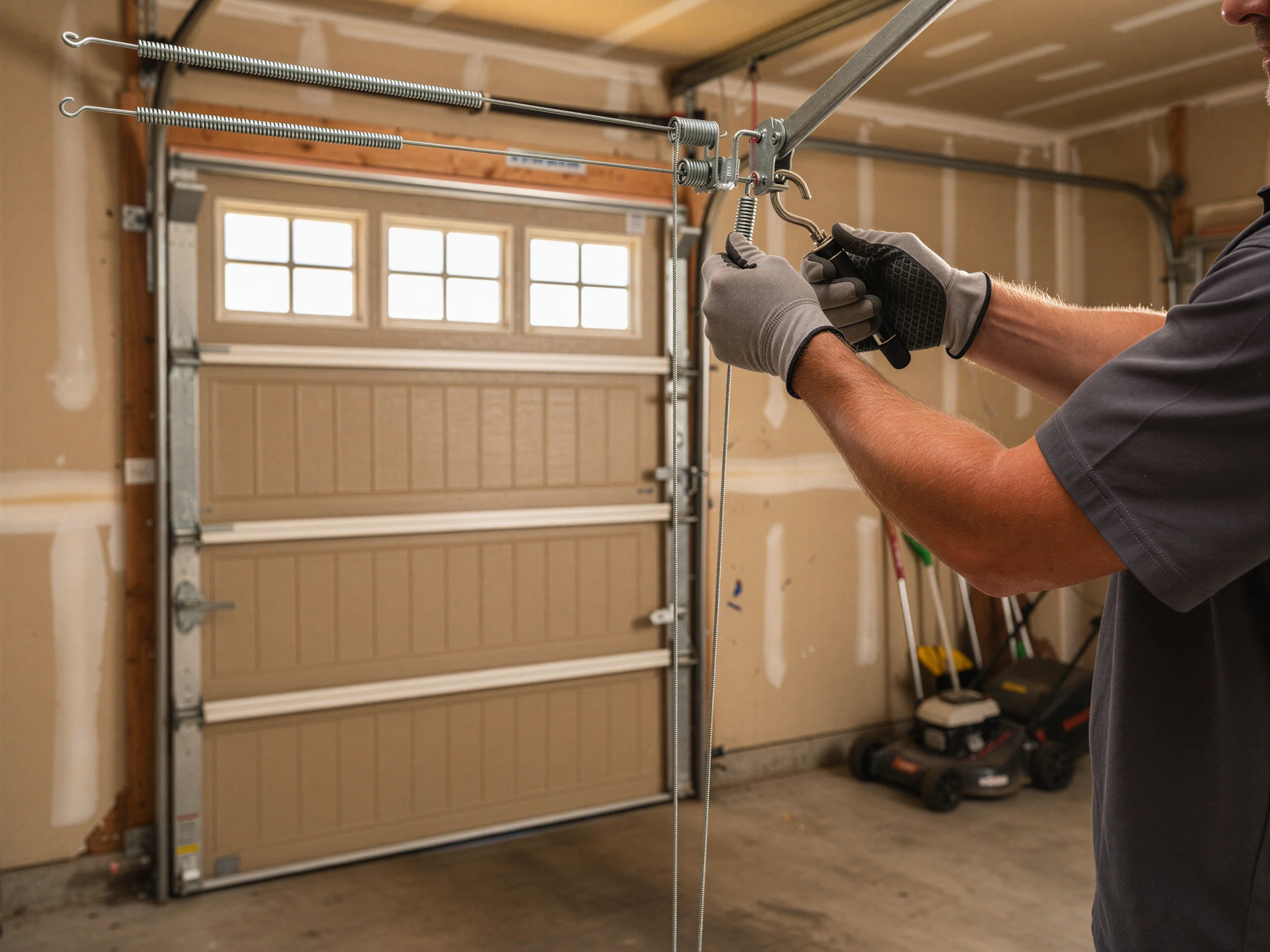
Snook's housing stock centers on a median build year of 1976, which puts most garages here squarely in the era when torsion spring systems had become the standard setup for single and double doors, replacing the older extension-spring designs from a decade earlier.
Torsion springs over fifty years
That's the good news and the bad news. Torsion springs are more reliable than the stretch-style springs they replaced, but a spring installed when a house was built in the mid-1970s has had roughly fifty years to accumulate cycles - and most residential torsion springs are rated for somewhere between 10,000 and 15,000 open-close cycles before fatigue sets in, regardless of how well the door was maintained.
No record of spring swaps
With only 261 households in Snook, this isn't a huge call volume for us, but the pattern repeats: original hardware, original springs, no record of anyone ever swapping them.
Mild thermal stress from heat
Add in a climate band that runs moderate heat for most of the year, and you get steel that cycles through thermal expansion without much more stress than that, which is actually a mild blessing compared to towns dealing with harsher swings. The complication isn't the weather here. It's the age of the coil.
Time on the Job
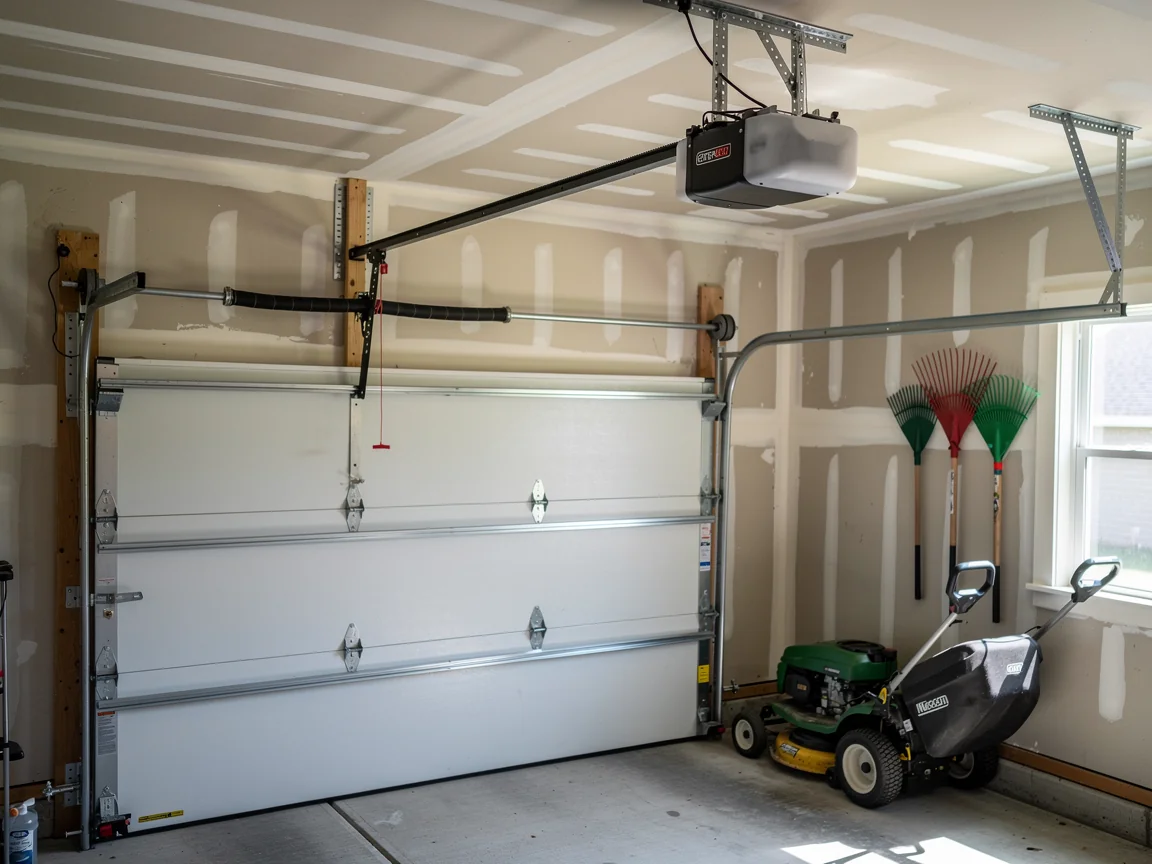
We cover Snook out of our Bryan location, about 13 miles up the road. That's close enough that a spring job doesn't turn into a half-day ordeal, but it does mean we're not sitting on standby around the corner - we schedule the drive in with the rest of the day's route. A straightforward torsion spring swap on a double door, once we're on site, usually runs under two hours. What takes longer is matching the spring to the door: wire size, inside diameter, and wind length all have to be right, and on a door this age there's a decent chance the spring on it now isn't the one the manufacturer originally speced, because somebody replaced it once already with whatever a supply house had on the shelf.
The Symptom
The door won't stay up on its own, or it slams down the last foot instead of settling. Sometimes it's a loud bang from the garage before the door refuses to move at all - that's usually the spring itself letting go, not just weakening.
Drum-side cable wear
On a 1976-era door, we also see cable fraying near the drum, because the cable and the spring tend to reach the end of their service life around the same time.
Opener straining halfway up
If your opener is straining, grinding, or reversing halfway up, that's the opener trying to lift a door that no longer has a spring doing its share of the work.
Half-fixed spring risk
None of this is cosmetic. A broken spring under tension is one of the more dangerous failures in a house, which is also why this isn't a job to leave half-fixed.
Can You Do This Yourself
We'll say it plainly: we don't recommend DIY torsion spring work, and we won't walk someone through it over the phone. The spring is wound under enough tension to cause a serious injury if the winding bars slip or the wrong tool gets used, and that risk doesn't go down because the door is older or the house is modest. Where you can help yourself is in the diagnosis - knowing whether it's the spring, the cable, or the opener narrows down the call and saves time once we're on site. Extension springs, if your door still has the older style, are a different animal and still not a safe solo project. This is the one limitation we're upfront about: we'd rather lose a quick job to honesty than have someone get hurt saving a service call.
What the Repair Takes
A proper spring job means measuring the door's weight and cycle needs, not just grabbing a spring that looks about right.
Drums and end bearing plates
On a 1976-built house, we're also checking the drums, the cable condition, and the end bearing plates, because hardware from that era wasn't built modular - a worn part sometimes means replacing the bracket it sits in too.
Matching spring age and cycles
We always do torsion springs in pairs on a double door, even if only one has failed, since the second one is close behind it on the same age and cycle count. For Snook's median income range, most households are replacing hardware that's earned its retirement rather than nursing it along, and that's usually the more honest call once a spring has already gone.
Getting It Booked In
Snook sits within our regular service area from Bryan, so getting a spring repair scheduled doesn't require anything special - we just need a description of what the door's doing and a day that works. Given the age of the housing stock here, we usually bring spare torsion hardware sized for 1970s-era doors rather than ordering in blind, which keeps most jobs to a single visit. You can see what else we cover in Snook on our area page, and if you're comparing this against general repair work in Bryan itself, that's covered separately.
Questions
Common questions
Why do so many Snook garage doors need spring work around the same age?
Most houses in Snook were built around 1976, during the stretch when torsion springs became standard. A spring installed then has had decades to rack up cycles, and springs don't fail gradually with age so much as all at once near the end of their rated cycle count - which is why so many in this area seem to go out around now.
Do you have a branch or truck based in Snook?
No. We're based in Bryan, about 13 miles away, and drive out to Snook as part of our regular route. We don't keep a depot or offer a guaranteed local response time out here - just a scheduled visit from our Bryan crew.
Should I replace both springs if only one broke?
On a double door, yes, we do both at once. If one spring on a 1970s-era door has failed, the matching spring has seen the same number of cycles and is close behind it. Replacing just one often means a second service call within a year or two.
Is it ever not worth repairing the spring?
If the drums, cables, and bearing plates around the spring are also worn - common on original hardware from the 1970s - a spring-only repair can turn into a bigger teardown anyway. In that case, we'll tell you straight rather than patch a spring into a frame that's failing around it.
Explore more
More Services in Snook
Cable Repair
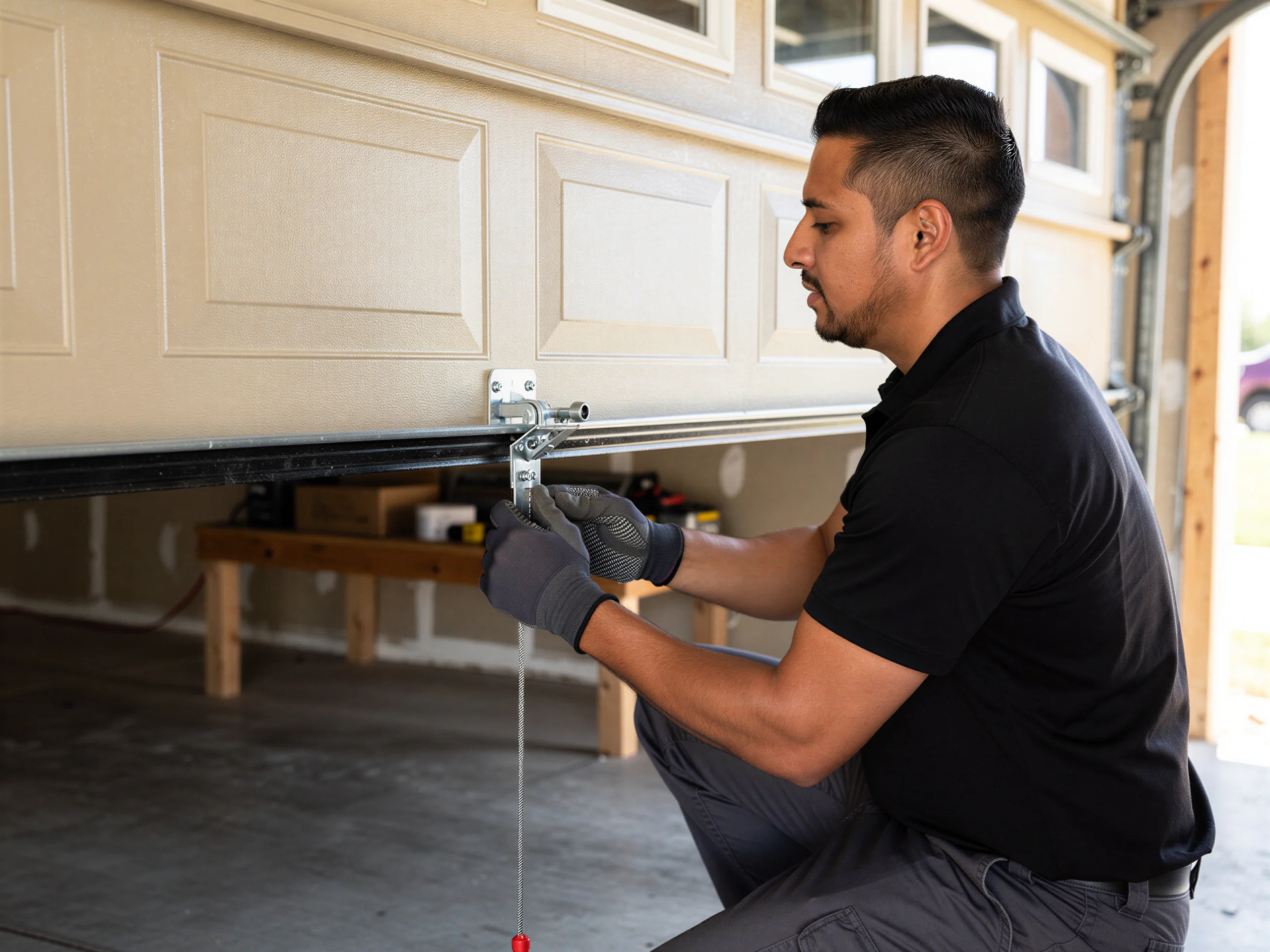
Cable repair for Snook homes built around 1976, where original extension-cable hardware is more common than it is in Bryan proper. Learn more →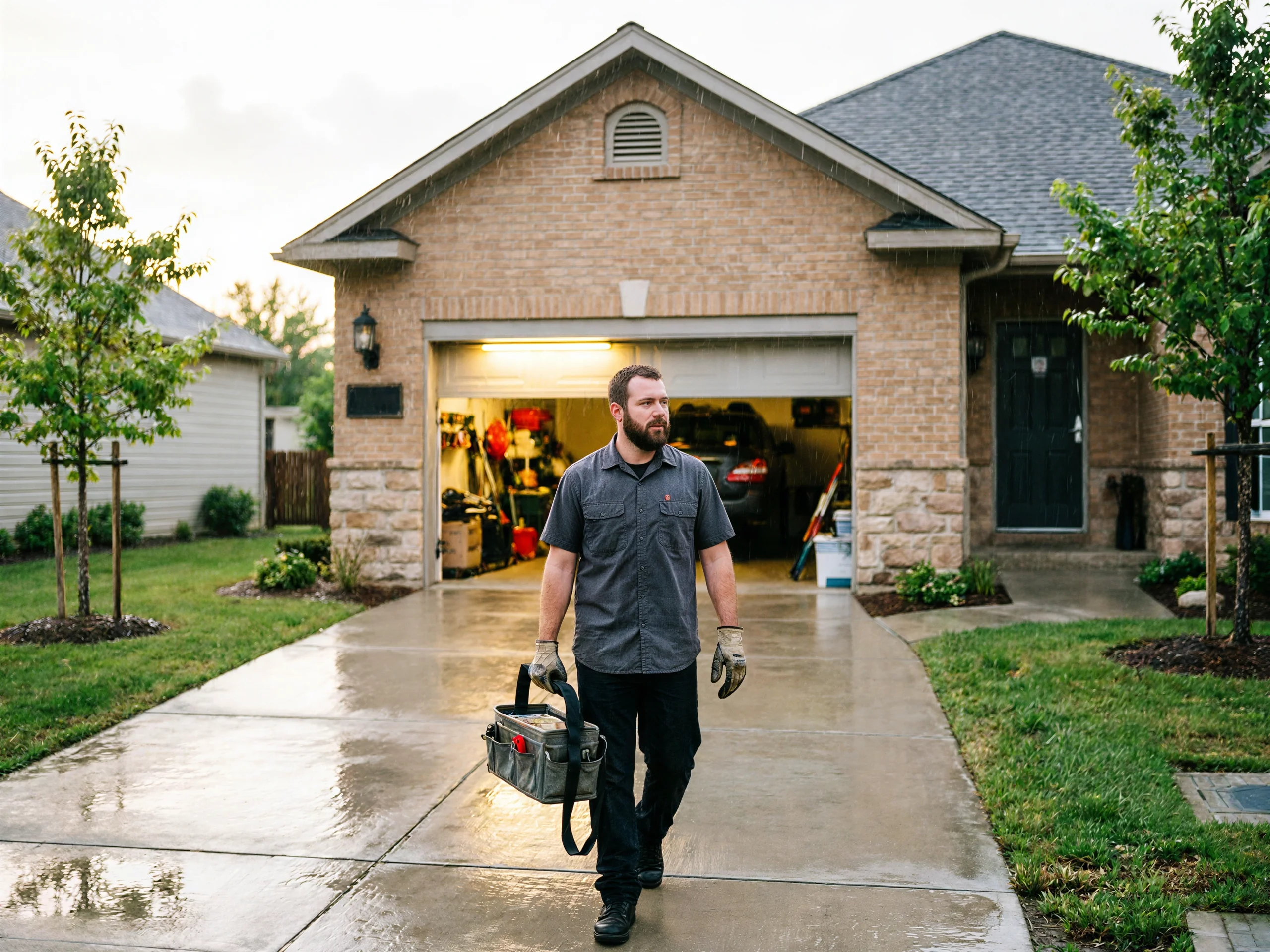
Emergency Garage Door
Snook homes mostly date to 1976, and torsion springs on those original doors are failing now. Learn more →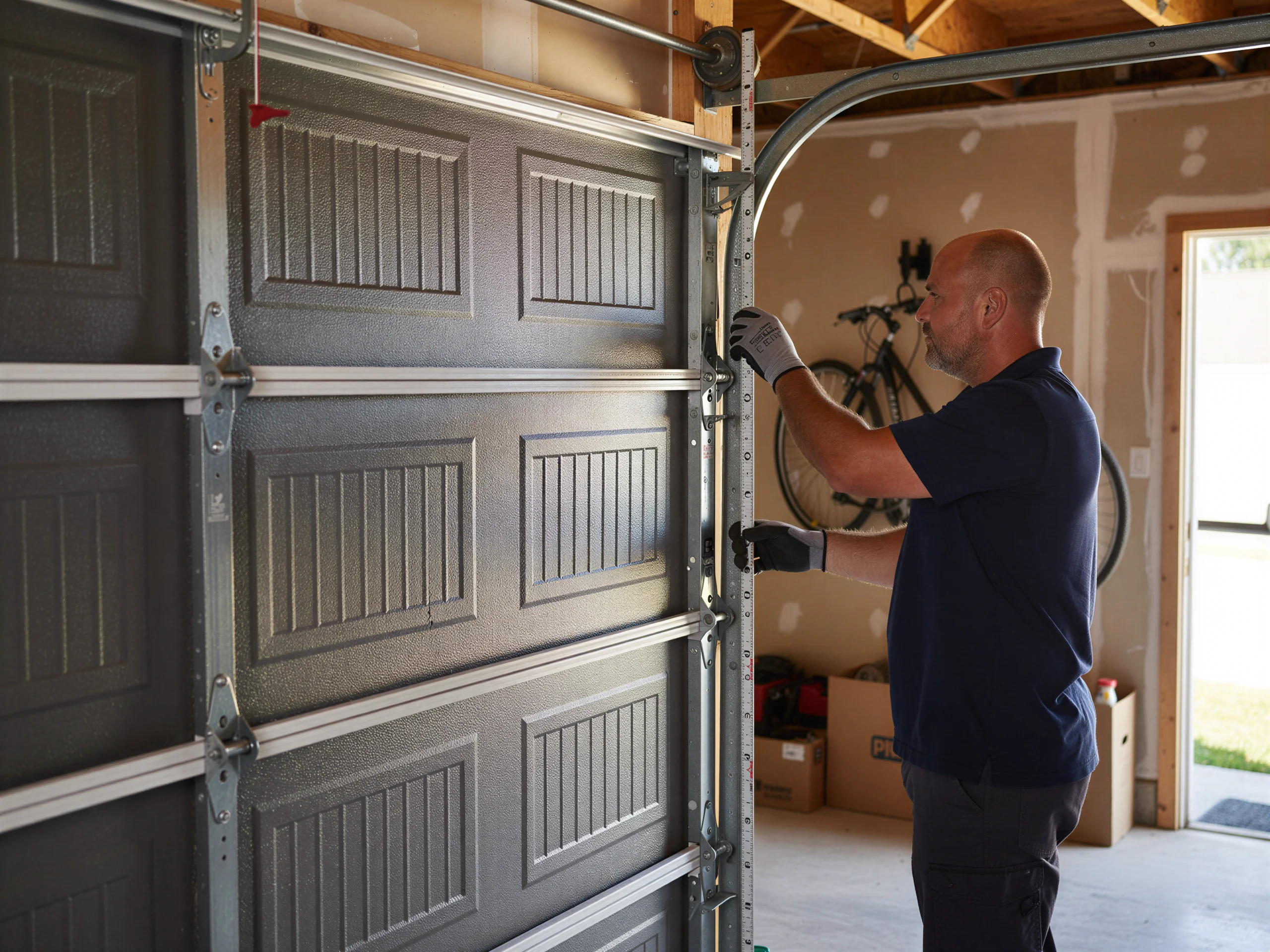
Garage Door Repair
Garage door repair for Snook, TX, 13 miles from Bryan. Learn more →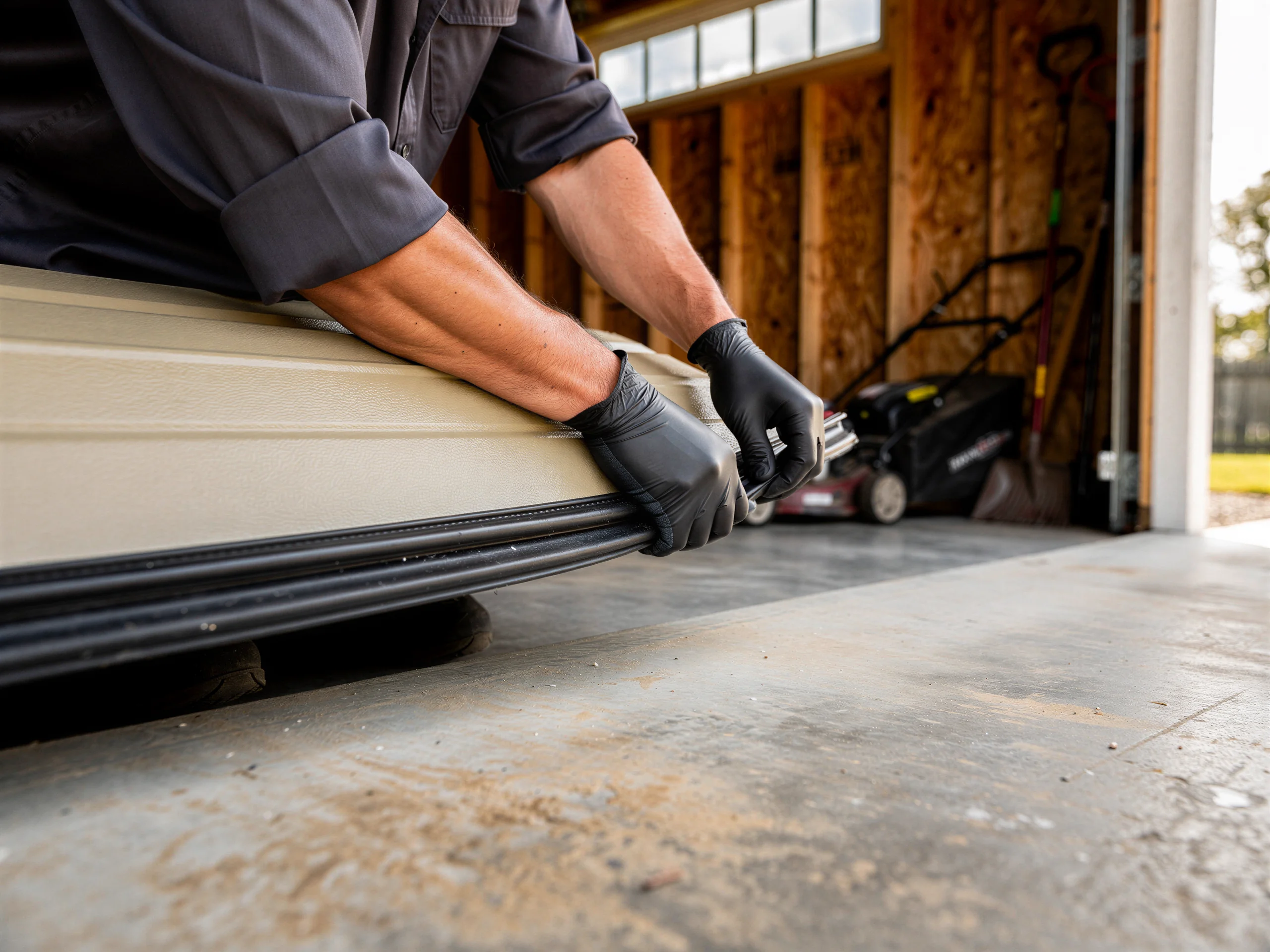
Garage Door Service
Garage door repair and service for Snook, TX homes built mostly in the mid-1970s. Learn more →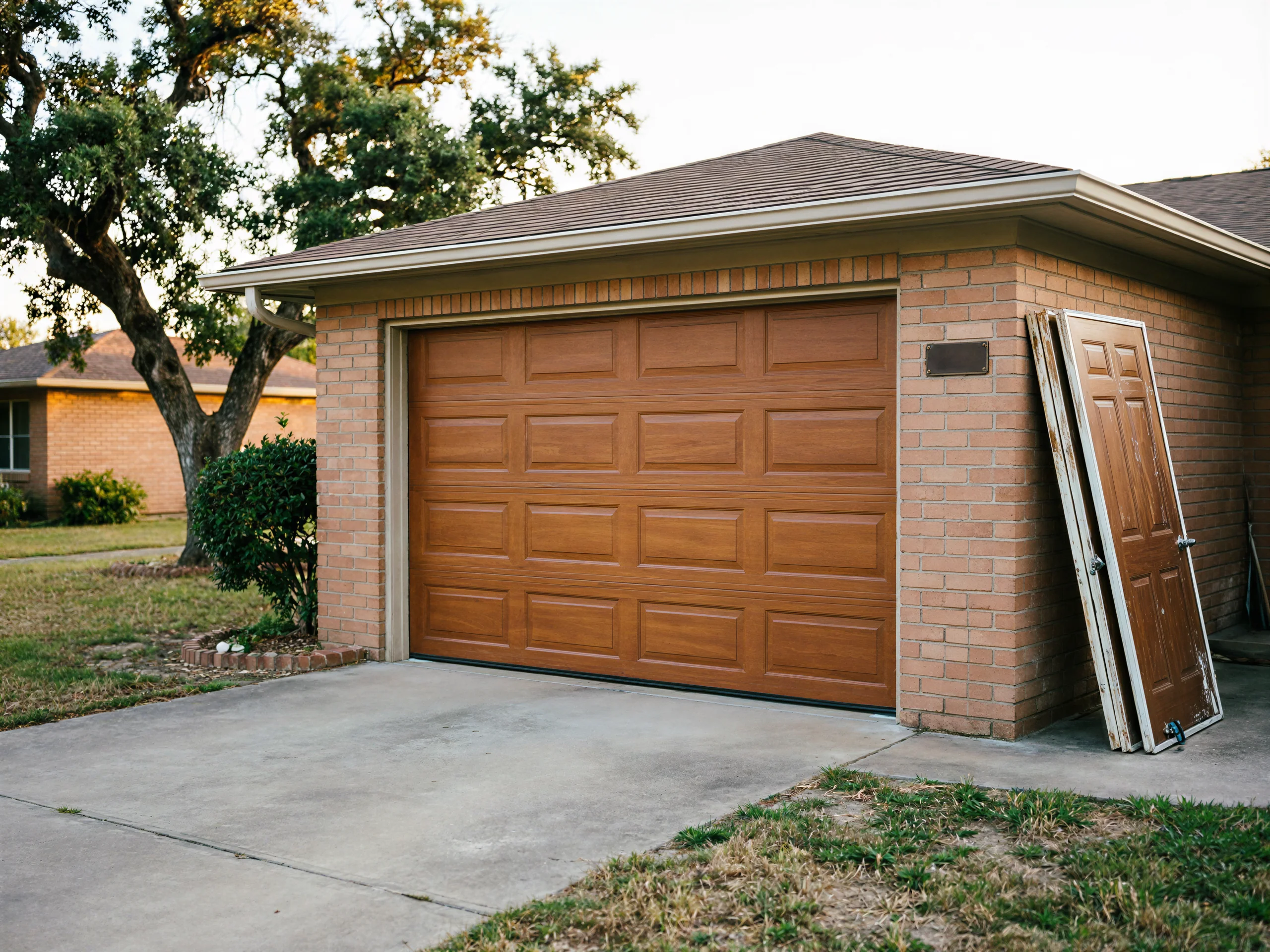
New Door Installation
Snook households run well above the area's $64,063 median, which changes the install math on 1970s-era doors. Learn more →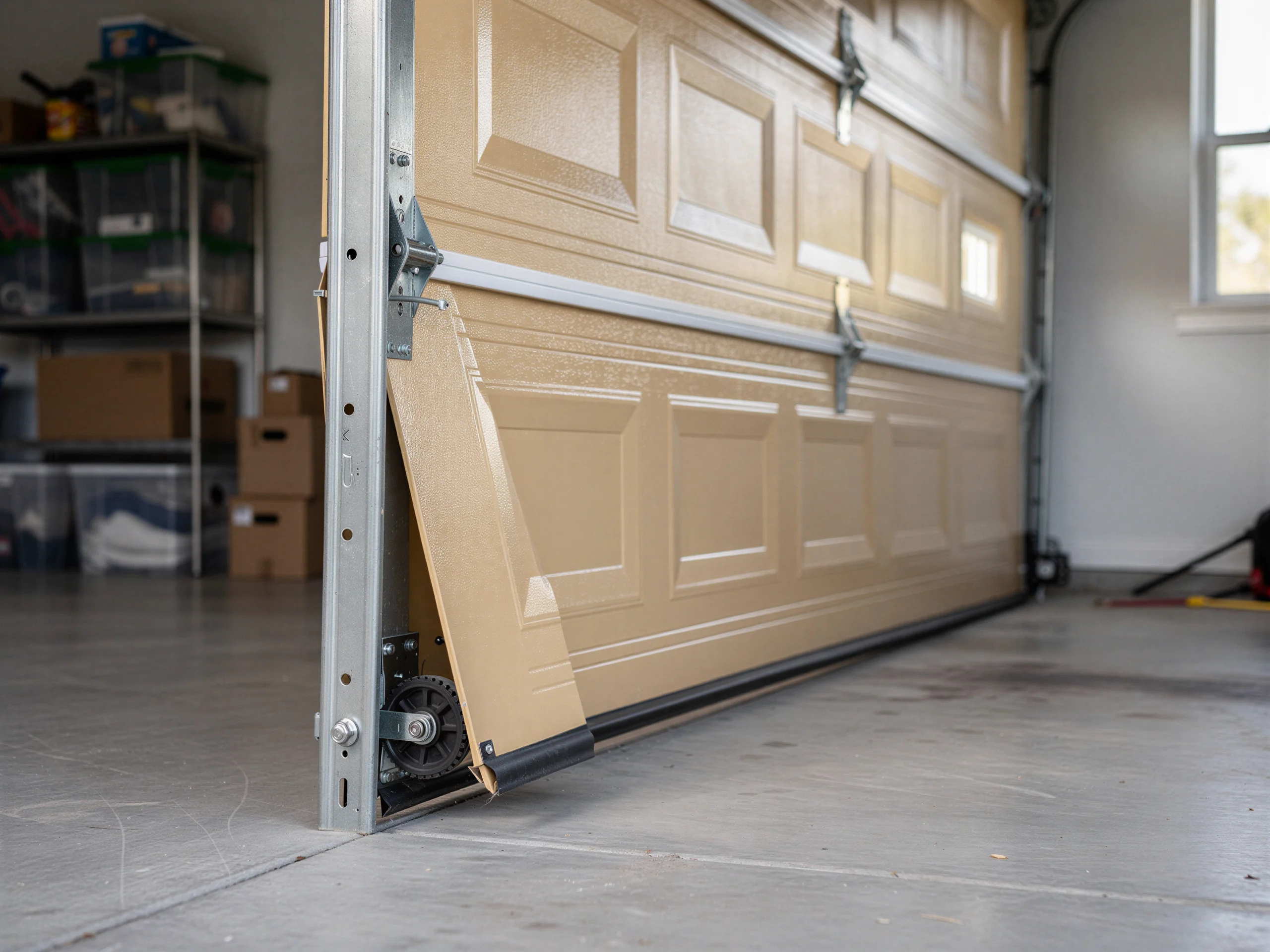
Off Track Repair
Off-track garage door repair for Snook homes built around 1976, serviced from Bryan, 13 miles out. Learn more →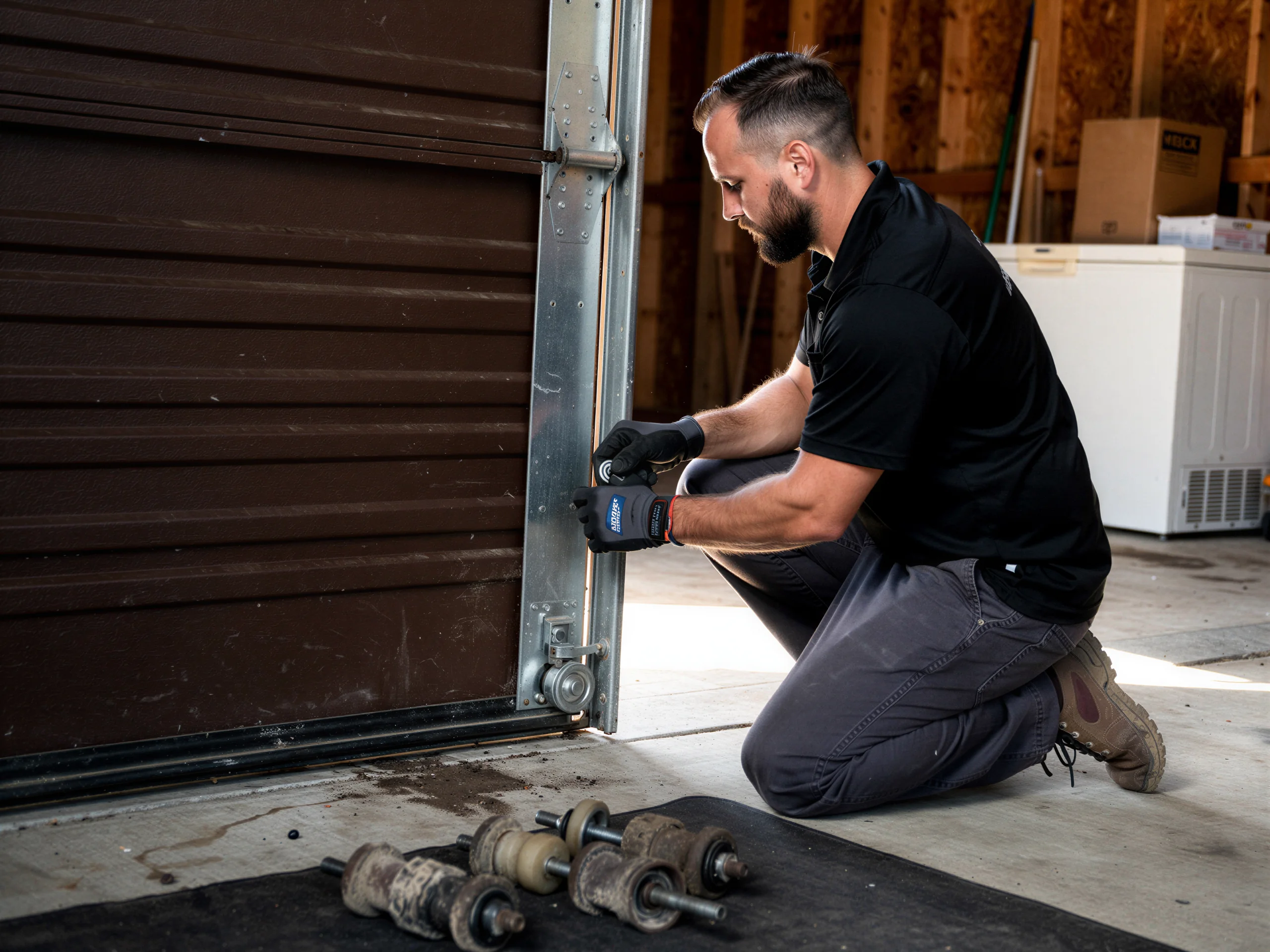
Roller Replacement
Snook homes built around 1976 came with steel rollers that wear out predictably after decades of moderate Texas heat. Learn more →Ready when you are
Need a garage door sorted in Bryan?
Bryan Garage Door Pros repairs and installs garage doors, springs and openers in Bryan, TX and the surrounding area.